
Connecting Rod
Parts for Caterpillar 3208 Turbo – Connecting Rod Section
The connecting rod assembly is one of the most critical components inside the Caterpillar 3208 turbocharged engine. These rods serve as the physical link between the pistons and the crankshaft, converting the linear motion of combustion into the rotary force that powers marine vessels, industrial machines, and other heavy-duty applications. Ensuring that connecting rods, bolts, nuts, bushings, and bearings are in excellent condition is essential for reliable performance, long-term durability, and balanced engine operation.
This section provides a comprehensive overview of available connecting rod components for the Caterpillar 3208 turbo engine, with insights into how each part functions, what makes them essential, and how operators worldwide rely on these components to keep their engines in peak condition.
Connecting Rods for Caterpillar 3208 Turbo Engines
The connecting rod itself is at the heart of the assembly. Forged from durable, high-strength steel alloys, the rod is engineered to withstand the immense pressures and stresses generated during each power stroke of the 3208 turbo engine.
Each Caterpillar 3208 turbocharged engine uses a set of rods that must balance durability with precision. The rods are tapered for strength and designed with an exact length-to-stroke ratio that allows the engine to achieve its desired compression ratio and torque output.
Over time, connecting rods can develop fatigue due to continuous heavy-duty cycles, thermal stress, or lubrication issues. Replacing them ensures the pistons remain aligned, combustion remains efficient, and the crankshaft operates smoothly without vibration or imbalance.
Key Features of Caterpillar 3208 Connecting Rods:
-
Manufactured for both natural and turbocharged versions of the engine.
-
Designed to handle continuous-duty cycles common in marine propulsion and industrial use.
-
Heat-treated for additional strength and reduced susceptibility to bending or cracking.
-
Tapered design for optimized weight distribution and improved engine balance.
Connecting Rod Bolts
Bolts secure the connecting rod cap to the rod body, clamping the bearing shells firmly around the crankshaft journal. These bolts are small in size compared to the rods themselves, yet they are vital in maintaining the integrity of the rotating assembly.
Caterpillar 3208 connecting rod bolts are engineered to resist stretching and fatigue. Since they endure repeated cycles of tension and compression, they must be replaced whenever a rebuild is performed. Reusing old bolts is not recommended, as even slight elongation can cause rod cap misalignment and catastrophic engine damage.
Why Rod Bolts Matter:
-
Prevent separation of rod and cap during high RPM operation.
-
Maintain bearing crush for consistent lubrication.
-
Reduce risk of catastrophic failure due to bolt fatigue.
Two bolts are required per connecting rod, making it essential to order a complete set during an overhaul.
Connecting Rod Nuts
Rod nuts work together with the bolts to secure the rod cap. Precision-machined and hardened for strength, these nuts provide uniform torque distribution to keep the rod and cap aligned under stress.
During installation, rod nuts should always be torqued to the manufacturer’s specifications. Over-tightening or under-tightening can distort the bearing bore, leading to premature wear of the bearings and crankshaft journal.
Each connecting rod requires two nuts, ensuring symmetrical clamping force across the rod cap. Like bolts, nuts should always be replaced during a rebuild to guarantee fresh threads and secure locking.
Connecting Rod Bearings
The bearings form the surface between the connecting rod and the crankshaft journal. These are precision-engineered shells designed to handle immense loads while allowing a thin film of oil to create a protective barrier between metal surfaces.
For the Caterpillar 3208 turbo engine, connecting rod bearings are available in several sizes:
-
Standard size – Used when the crankshaft journals are in perfect condition.
-
Oversize .010" – For journals that have been ground down .010" during reconditioning.
-
Oversize .020" – For further machining to restore crankshaft surface integrity.
-
Oversize .050" – Used in cases of significant wear or damage, allowing the engine to be rebuilt without replacing the entire crankshaft.
Functions of Rod Bearings:
-
Reduce metal-to-metal contact.
-
Provide a smooth, low-friction surface for crankshaft rotation.
-
Maintain oil clearance to regulate lubrication flow.
-
Absorb shock loads from combustion.
When replacing bearings, it is critical to measure crankshaft journals and choose the appropriate size. Incorrect sizing can lead to insufficient oil clearance, overheating, or bearing failure.
Connecting Rod Bushings
At the opposite end of the rod, bushings are installed in the small end where the wrist pin passes through the piston. These bushings absorb motion between the piston and rod, ensuring smooth articulation during the combustion cycle.
The Caterpillar 3208 connecting rod bushing is made from a durable alloy with a precision-machined inner surface. Over time, bushings can wear, leading to piston slap, uneven operation, or reduced compression.
Why Bushings Are Important:
-
Ensure proper wrist pin alignment.
-
Reduce wear on pistons and pins.
-
Provide a replaceable surface that extends rod life.
-
Maintain balance and symmetry across all cylinders.
Whenever pistons are replaced or the engine undergoes an overhaul, rod bushings should be inspected and replaced as needed.
How Connecting Rod Assemblies Work Together
The connecting rod assembly is not just a collection of individual parts—it is an interdependent system. Each element plays a role in ensuring that the rods transfer power efficiently from piston to crankshaft.
-
Rod body: Provides the physical link.
-
Bolts and nuts: Secure the cap to the rod body.
-
Bearings: Provide a lubricated surface between crankshaft and rod.
-
Bushings: Allow smooth articulation with the piston pin.
Failure of any single part—such as a stretched bolt, a worn bearing, or a cracked bushing—can lead to catastrophic engine failure. That is why operators often replace the entire assembly as part of preventive maintenance.
Common Causes of Connecting Rod Failure in the 3208 Turbo
-
Oil Starvation – Lack of lubrication leads to bearing seizure.
-
Overheating – Excessive temperatures weaken rod material.
-
Improper Torqueing – Incorrectly tightened bolts/nuts cause misalignment.
-
Fatigue Stress – Continuous heavy-duty cycles eventually weaken the rod.
-
Hydraulic Lock – Water ingestion or fuel wash-down creates pressure spikes that bend rods.
By replacing worn components with OEM-quality or aftermarket equivalents, operators can avoid these common issues.
Maintenance and Best Practices
-
Always inspect crankshaft journals before installing new bearings.
-
Replace bolts and nuts instead of reusing them.
-
Check rod straightness during every major rebuild.
-
Use assembly lube on bearings and bushings during installation.
-
Follow Caterpillar torque specifications for all fasteners.
Applications of the 3208 Turbo Connecting Rod Assembly
The Caterpillar 3208 turbo engine is widely used in:
-
Marine propulsion (yachts, fishing boats, workboats).
-
Generator sets.
-
Industrial machinery.
-
Construction equipment.
Because these engines operate in high-stress environments, connecting rod assemblies must be kept in optimal condition to ensure long-lasting service.
Why Choose Diesel Pro Power for Caterpillar 3208 Connecting Rod Parts
Operators around the world turn to Diesel Pro Power for dependable parts support:
-
Global Shipping: Orders ship within 24 hours to over 180 countries.
-
Proven Reliability: More than 40,000 satisfied customers trust Diesel Pro Power.
-
Comprehensive Catalog: All connecting rod components—rods, bolts, nuts, bearings, bushings—are available in one place.
-
Expert Support: Our team ensures compatibility with your exact Caterpillar 3208 turbo setup.
-
Marine & Industrial Focus: Specialized in engines built for continuous-duty operation.
Products
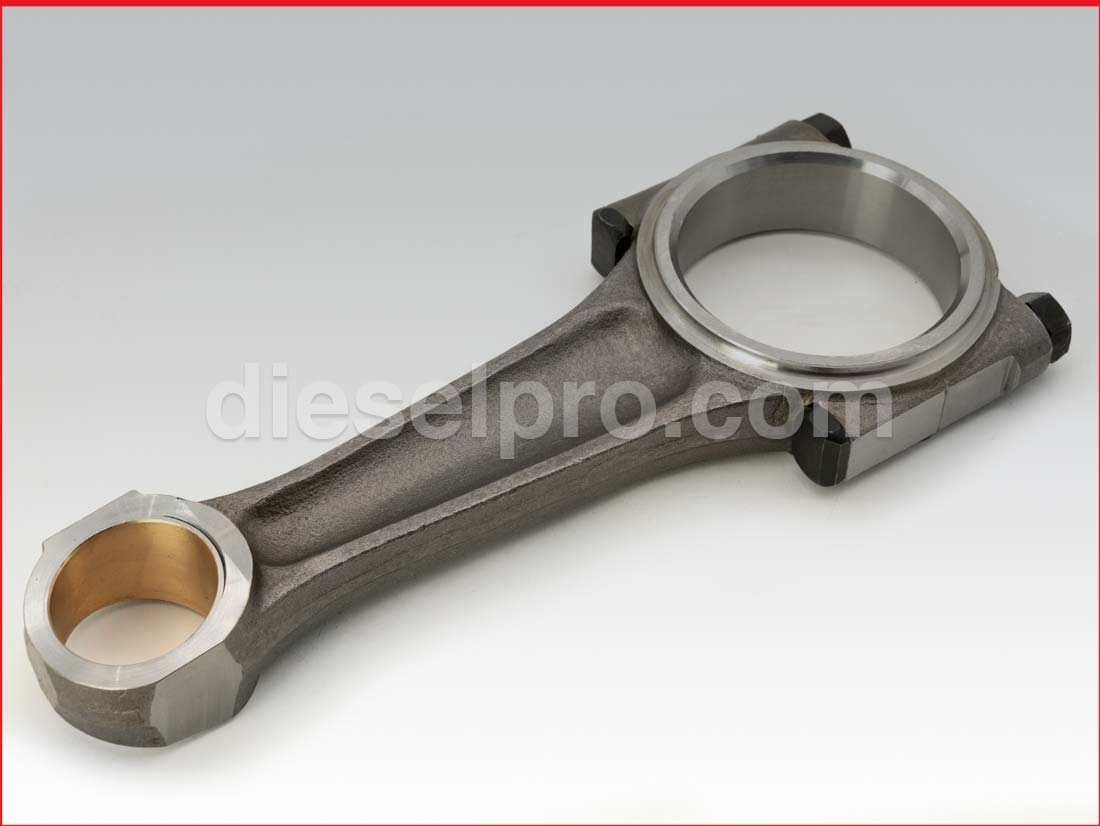 Connecting Rod for Caterpillar 3208 Natural and Turbo engines
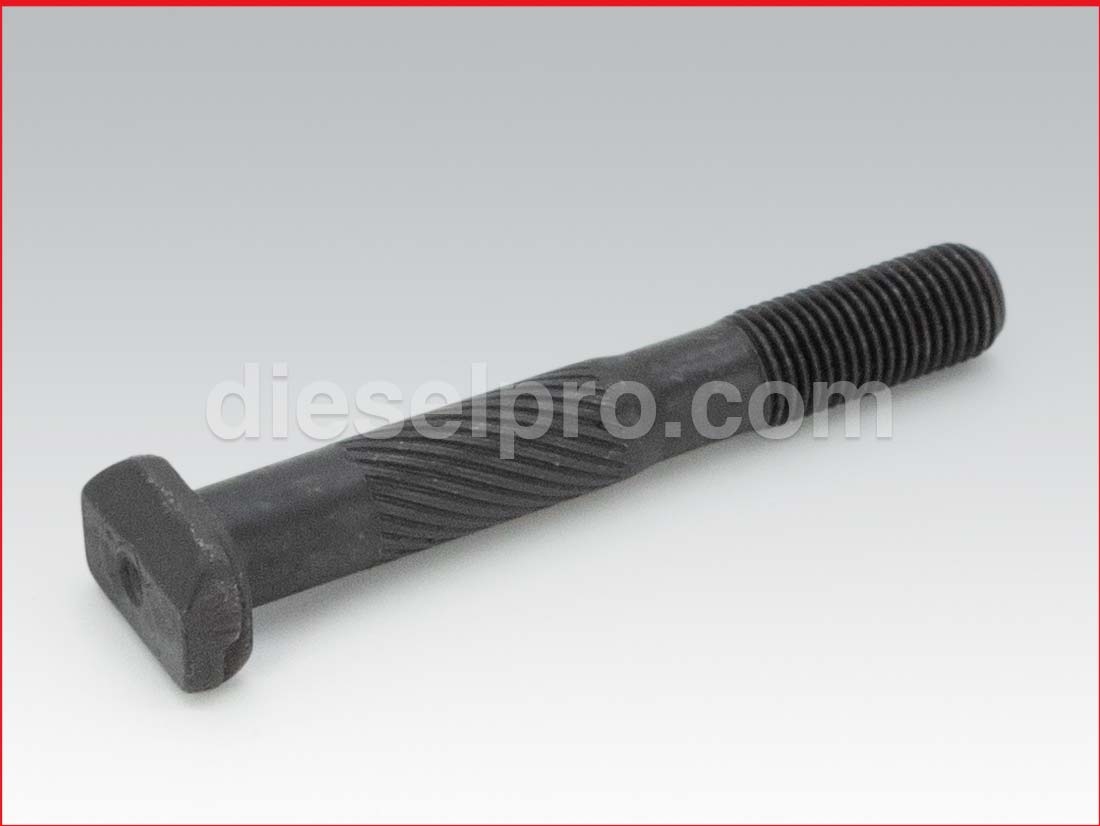 Connecting Rod bolt for Caterpillar 3208 Natural and Turbo engines
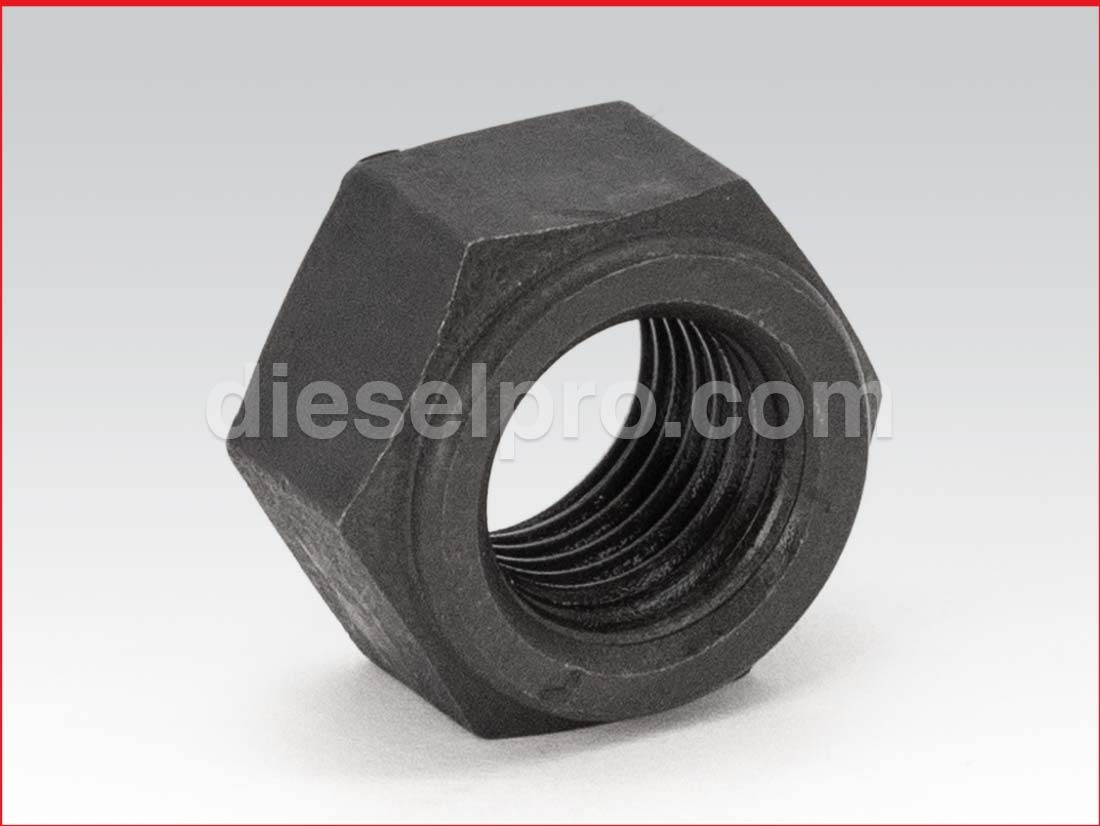 Connecting Rod Nut for Caterpillar 3208 Natural and Turbo engines
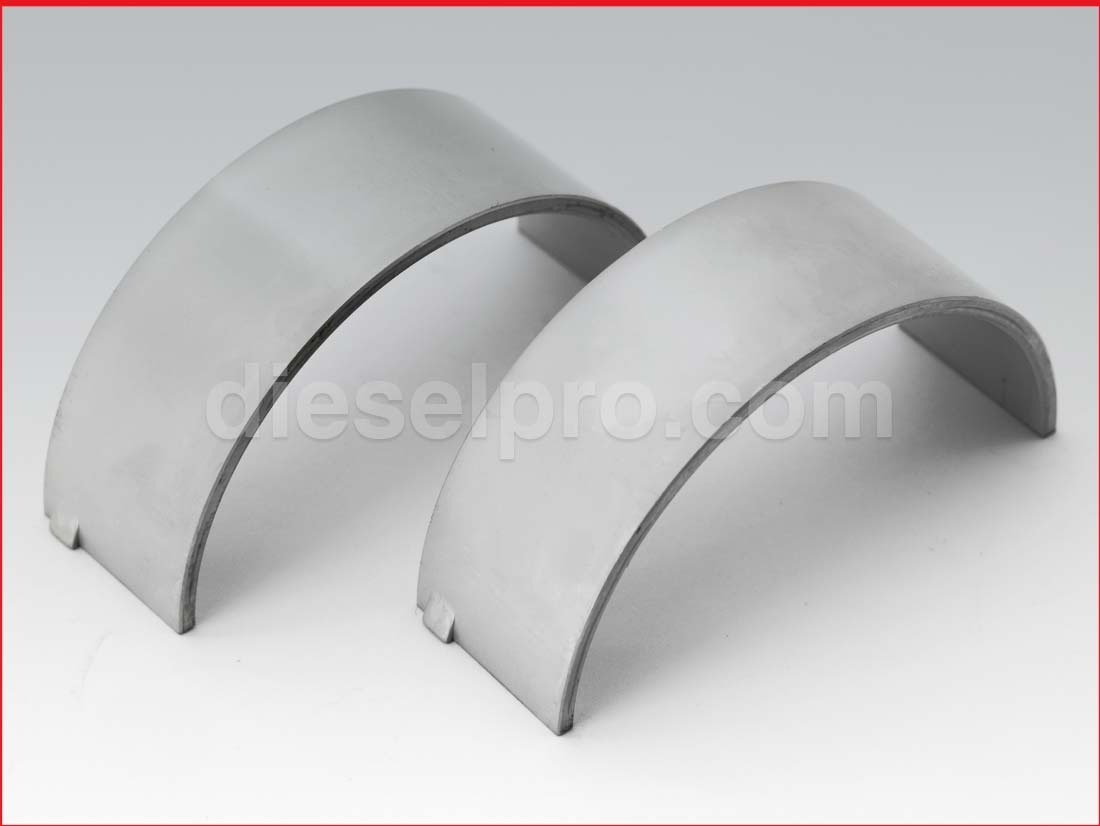 Connecting Rod Bearing Standard size for Caterpillar 3200 series engines
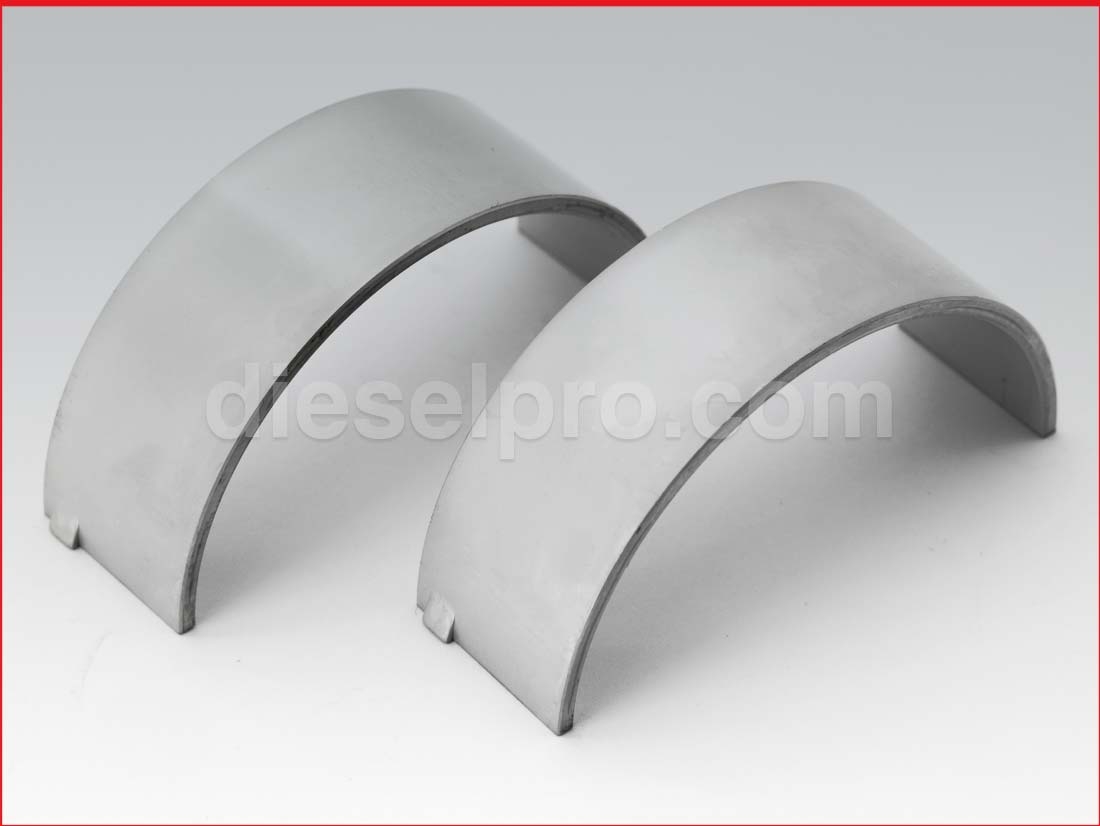 Connecting Rod Bearing Oversize .010" for Caterpillar 3200 series engines
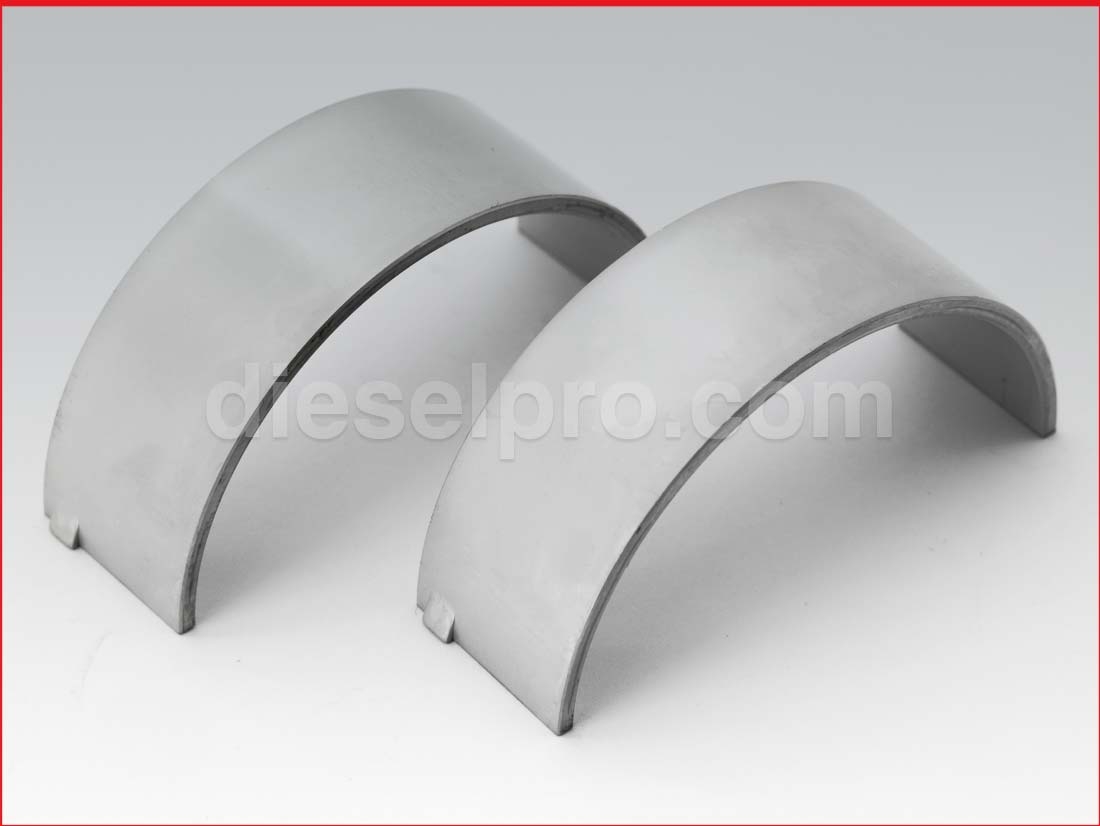 Connecting Rod Bearing Oversize .020" for Caterpillar 3200 series engines
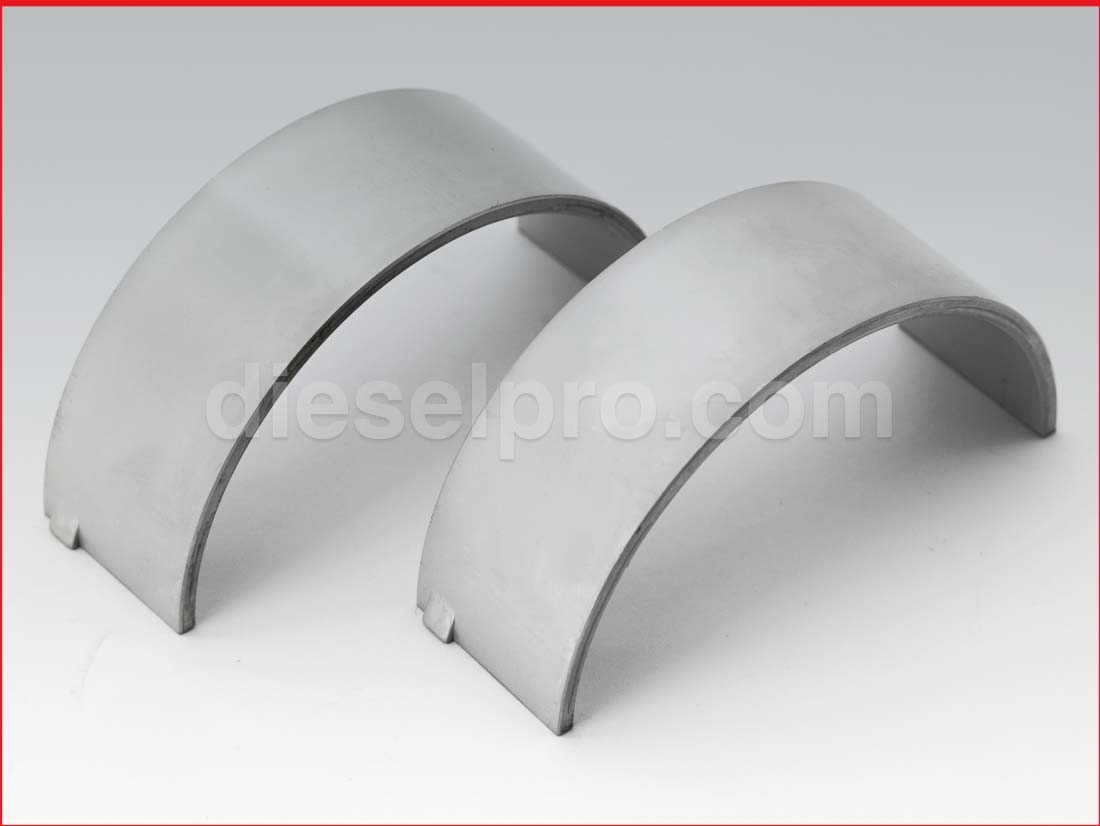 Connecting Rod Bearing Oversize .050" for Caterpillar 3200 series engines
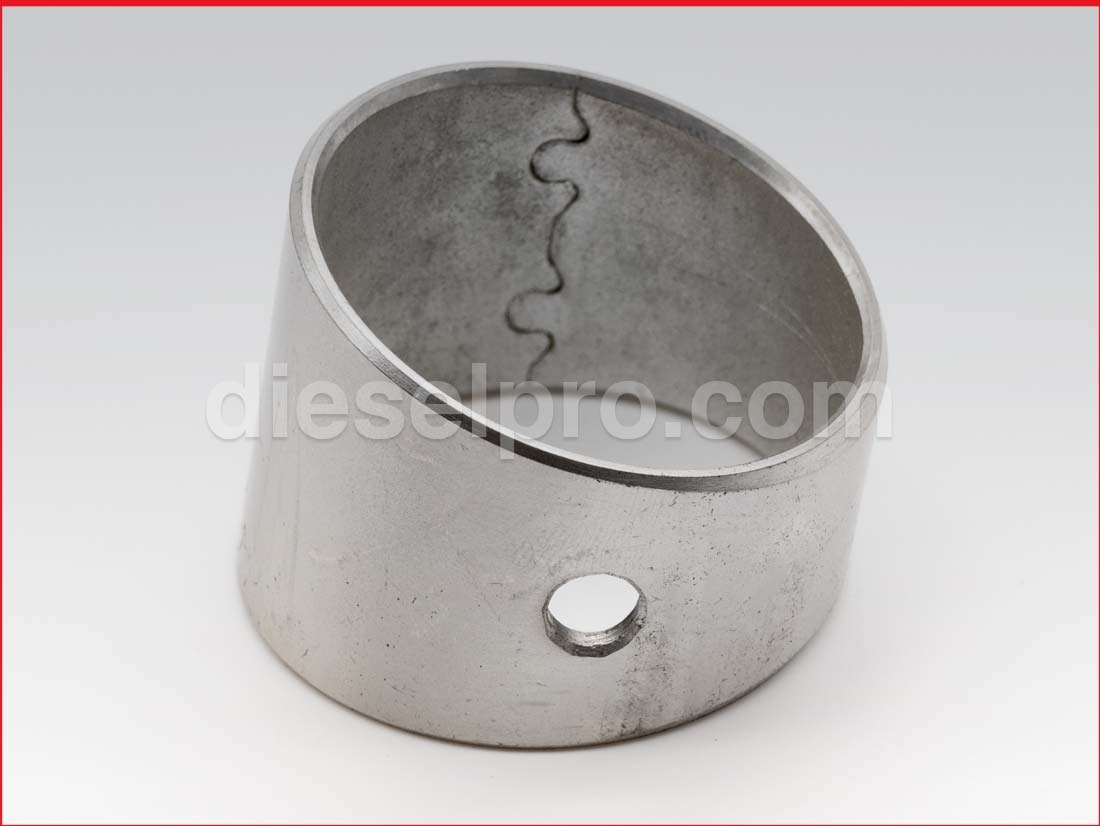 Connecting rod Bushing for Caterpillar 3208 Natural and Turbo engines