February 27, 2025
Introduction
Daily Maintenance Operations for Cummins KTA38 and KTA50
Daily Checklist for Cummins KTA38 and KTA50
1. Check Oil Levels and Top Off with the Recommended SAE-Grade Oil
2. Inspect Coolant Levels and Maintain Proper Concentration
3. Look for Leaks in Fuel, Coolant, and Oil Systems
4. Inspect the Air Intake System and Clean Air Filters If Necessary
5. Check Belts and Pulleys for Wear or Misalignment
6. Drain Water Separators to Remove Moisture from the Fuel System
7. Monitor Dashboard Indicators for Abnormal Readings
Conclusion
Key Takeaways:
Read More
February 27, 2025
Introduction
Identifying Your Cummins KTA38 and KTA50 Engine
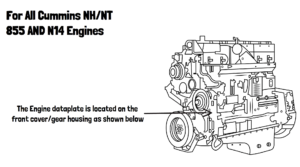
Where to Find the Engine Data Plate
Key Information on the Data Plate
Why Engine Identification is Important
Verifying Engine Identification
General Maintenance Guidelines for Cummins KTA38 and KTA50
1. Lubrication and Oil Maintenance
2. Cooling System Maintenance
3. Fuel System Maintenance
4. Air Intake and Turbocharger Maintenance
5. Valve and Injector Maintenance
6. Fasteners and Torque Specifications
Conclusion
Key Takeaways:
Read More
February 27, 2025
Introduction for Cummins KTA38 and KTA50
Understanding the Cummins KTA38 and KTA50 Engines
Engine Overview
Common Applications
Maintenance Schedule for Cummins KTA38 and KTA50
Daily Maintenance Operations
Weekly Maintenance Operations
Maintenance Every 250 Hours or 6 Months
Maintenance Every 1,500 Hours or 1 Year
Maintenance Every 6,000 Hours or 2 Years
Operational Best Practices for Cummins KTA38 and KTA50
Starting the Engine Properly
Efficient Load Management
Shutdown Procedures
Troubleshooting Common Issues in Cummins KTA38 and KTA50
1. Engine Overheating
2. Loss of Power
3. Excessive Smoke from Exhaust
4. Hard Starting or No Start
Read More
February 27, 2025
Identifying Your Engine for Cummins KTA38 and KTA50
General Maintenance Guidelines for Cummins KTA38 and KTA50
Daily Checklist for Cummins KTA38 and KTA50
Essential Weekly Inspections for Cummins KTA38 and KTA50
250 Hours or 6 Months for Cummins KTA38 and KTA50
1,500 Hours or 1 Year for Cummins KTA38 and KTA50
6,000 Hours or 2 Years for Cummins KTA38 and KTA50
Engine Overheating for Cummins KTA38 and KTA50
Loss of Power for Cummins KTA38 and KTA50
Excessive Black Smoke for Cummins KTA38 and KTA50
Hard Starting or No Start for Cummins KTA38 and KTA50
Final Thoughts on Cummins KTA38 and KTA50 Maintenance
Read More
February 26, 2025
Introduction
A. Electrical System Safety
1. Disconnect the Battery Before Performing Electrical Work
B. Handling Heavy Components Safely
1. Use Proper Lifting Tools for Heavy Components
C. Fuel System Safety
1. Wear Eye Protection When Working Around Pressurized Fuel Lines
D. Cooling System Safety
1. Allow the Engine to Cool Before Opening the Radiator Cap
E. Torque Specifications & Fastener Safety
1. Never Exceed Torque Specifications
F. Fire and Chemical Safety
1. Avoid Open Flames When Working with Flammable Liquids
G. Worksite Safety Best Practices
1. Maintain a Clean and Organized Work Area
2. Wear Proper Personal Protective Equipment (PPE)
Conclusion
Read More
February 26, 2025
Introduction
A. Engine Disassembly
1. Preparation & Safety Measures
2. Remove External Components
3. Cylinder Head & Valve Train Removal
4. Piston & Connecting Rod Removal
5. Camshaft & Crankshaft Removal
B. Cleaning & Inspection
1. Cleaning the Block & Cylinder Head
2. Crack & Warping Inspection
3. Inspect Cylinder Liners & Pistons
4. Connecting Rod & Crankshaft Inspection
C. Engine Reassembly & Torque Specifications
1. Installing the Crankshaft & Bearings
2. Piston & Connecting Rod Installation
3. Camshaft & Timing Gear Installation
4. Cylinder Head & Valve Train Assembly
5. Fuel Injector Installation & Priming the Lubrication System
Final Checks & Engine Startup
1. Pre-Start Inspection
2. Priming the Fuel System
3. Initial Engine Start & Break-In Procedure
Common Issues & Troubleshooting After a Rebuild
1. Engine Won’t Start
2. Low Oil Pressure
3. Overheating Issues
4. Excessive Smoke from Exhaust
Conclusion
Read More



 Free US Calls: 1-888-433-4735
 International: 305-545-5588