


 Free US Calls: 1-888-433-4735
 International: 305-545-5588
Marine CAT D353 Coolant System Specific Component Maintenance Life
Please note that these are typical maintenance intervals for the Marine CAT D353 engine’s coolant system components, and some results may vary based on operating conditions. Adhering to these schedules is essential for ensuring reliable performance and extending the engine’s operational life.
Component |
Maintenance Interval (Hours) |
Notes |
| Coolant | 1,000 hours | Change to maintain optimal cooling and prevent corrosion in the system. |
| Freshwater Pump | 2,000-3,000 hours | Inspect for leaks, wear, and corrosion; replace seals or rebuild as necessary. |
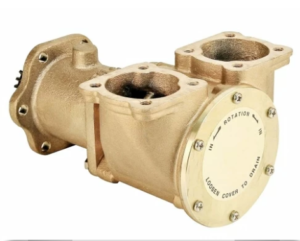
| Raw Water Pump | 500-1,000 hours | Inspect the impeller for wear; replace the impeller and seals as needed to maintain proper cooling. |
| Thermostats | 1,500-2,000 hours | Inspect and test; replace if malfunctioning or during major coolant system service. |
Maintaining these components according to the recommended intervals is crucial for the reliable operation of the CAT D353 engine, particularly in marine environments. Regular inspections and timely servicing help extend the engine’s life and minimize the risk of unexpected failures.
Disclaimer: The most accurate data for each specific engine will always be found in the OEM service manual. The numbers provided here are estimates and can vary based on operating conditions. Factors such as inadequate cooling, lubrication, or fuel quality issues can affect other engine components, potentially altering maintenance intervals. Engine components are interconnected, so one issue can impact others, leading to different service needs. Always tailor your maintenance approach to the specific conditions in which your engine operates.
Engine Specifications & Applications of the Caterpillar D353 Engine
Overview of the Caterpillar D353
The Caterpillar D353 is a heavy-duty, inline 6-cylinder diesel engine developed for high-horsepower industrial, marine, and power generation use. First introduced in the 1960s, it served as a major workhorse in Caterpillar’s lineup of mechanically governed, large-displacement engines and was designed for consistent, continuous-duty operation under extreme load conditions.
With a displacement of 1,091 cubic inches (17.9 liters), the D353 sits above the D343 and below the larger Cat V8 and V12 platforms like the D379 and D398. It was commonly built in both naturally aspirated and turbocharged variants, offering horsepower ratings from 325 to over 500 HP, depending on configuration.
Known for its durability, mechanical simplicity, and rebuildability, the D353 found a home in mining equipment, marine generator sets, large oilfield pumps, and heavy construction machinery. While production has long since ceased, the engine continues to be used worldwide, particularly in legacy equipment and export applications where emissions compliance is not required.
Caterpillar D353 Engine Specifications
|
Specification |
Details |
|
Engine Configuration |
Inline 6-cylinder, 4-stroke diesel |
|
Displacement |
1,091 cubic inches (17.9 liters) |
|
Bore x Stroke |
6.25 in x 7.5 in (159 mm x 191 mm) |
|
Aspiration |
Naturally Aspirated or Turbocharged |
|
Compression Ratio |
~14.5:1 to 15.5:1 (varies by model) |
|
Fuel System |
Mechanical Direct Injection |
|
Horsepower Rating |
325 – 500 HP @ 1,800 – 2,100 RPM |
|
Torque Output |
Up to 1,600 lb-ft (2,170 Nm) |
|
Emissions Standard |
Pre-emissions / Non-certified |
|
Cooling System |
Water-cooled (belt-driven pump) |
|
Oil Capacity |
~12 to 14 gallons (45 to 53 liters) |
|
Dry Weight |
Approx. 5,500 – 6,500 lbs (2,500 – 2,950 kg) |
|
Starting System |
Electric or air start (depending on configuration) |
|
Flywheel Housing |
SAE #00 or #0 (varies by installation) |
Applications of the Caterpillar D353 Engine
The Caterpillar D353 was engineered to excel in high-load, high-runtime industrial environments, with performance characteristics geared toward large-scale mechanical output. It was widely used in heavy earthmoving, stationary power, marine auxiliary systems, and petroleum field equipment.
Today, the D353 continues to be supported in niche markets where its mechanical reliability and rebuild-friendly design offer long-term value—especially in repower, restoration, and export applications.
1. Mining and Earthmoving Equipment
The D353 was often installed in large earthmoving and mining machines, including early Caterpillar scrapers, track loaders, and bulldozers that required long runtimes under maximum torque conditions.
Typical Equipment:
-
Cat 666 & 651 wheel tractor-scrapers
-
Large track-type tractors (e.g., D9, D10 early variants)
-
Off-highway trucks for quarry use
-
Cable-operated cranes and shovel excavators
-
Rigid-frame loaders
These machines were often used in strip mining, dam building, and large-scale excavation, where continuous pulling power and field serviceability were key requirements.
2. Power Generation & Genset Applications
The D353 served in both prime and standby generator sets, offering high-output electrical generation capacity for industrial, remote, and commercial installations.
Generator Applications:
-
Mining camp and base power stations
-
Standby power in large hospitals and facilities
-
Military base gensets
-
Construction site power trailers
-
Utility district and municipal generation nodes
With its stable RPM curve and large flywheel housing compatibility, the D353 could be directly coupled to high-output generator heads, making it well-suited for long-running, high-wattage installations.
3. Oilfield and Gas Sector Equipment
In the petroleum industry, the D353 powered a wide array of mobile and skid-mounted equipment, especially in North American and Middle Eastern drilling operations.
Oilfield Use Cases:
-
Mud pump engines for rotary drilling rigs
-
Hydraulic fracturing and acidizing units
-
Skid-mounted electric power units
-
Blowout preventer power supplies
-
Generator systems for pumpjacks and nodding donkeys
The D353’s mechanical fuel system and air/fuel calibration flexibility made it ideal for fluctuating load demands in mobile drilling and servicing rigs.
4. Marine Auxiliary Engines and Systems
Though rarely used as a propulsion engine, the D353 saw frequent service in marine support roles, especially in the form of auxiliary engines or power units aboard commercial vessels.
Marine Applications:
-
Shipboard generator sets
-
Hydraulic winch and anchor power
-
Bilge water pumps and fire suppression systems
-
Refrigeration compressors on fishing vessels
-
Dockside service platforms
The D353’s large displacement and cooling system options allowed for adaptation to keel cooling or closed-loop marine cooling, depending on vessel design.
5. Stationary Industrial Power
The D353 was a popular choice for heavy stationary mechanical systems, particularly in applications requiring constant torque and minimal downtime over long duty cycles.
Stationary Uses:
-
Cement plant drives and crushers
-
Conveyor belt and auger systems
-
Large air and water pump engines
-
Pulp mill and paper processing machinery
-
Aggregate screening and material sorters
These units often ran thousands of hours per year, and the D353 was favored for its high oil capacity, oversized bearings, and robust cylinder design.
6. Repower, Export, and Restoration Markets
Despite its age, the D353 continues to be used in restoration and export contexts where its simplicity and power density offer unmatched utility for legacy equipment.
Current-Day Use Cases:
-
Engine swaps for vintage Cat machinery
-
Overhauled gensets shipped to Tier 2/non-emissions regions
-
Restored equipment used in agriculture or land development
-
Repurposed into pump drives for irrigation or flood control
-
Resold for international mining and infrastructure projects
Its high availability in surplus markets and compatibility with standard SAE mountings make it an attractive candidate for long-term operators needing reliable, mechanical power with global serviceability.
Conclusion
The Caterpillar D353 is a prime example of Caterpillar’s classic heavy-engine engineering—mechanically driven, overbuilt, and designed to withstand years of abuse in the harshest conditions. Whether it’s supporting an off-grid generator, powering a legacy scraper, or driving a mud pump in the field, the D353 delivers consistent performance backed by decades of proven reliability.
Although no longer produced, this engine remains highly valued by technicians, fleet managers, and restoration experts who prioritize serviceability, durability, and simplicity over digital controls or emissions complexity.