


 Free US Calls: 1-888-433-4735
 International: 305-545-5588
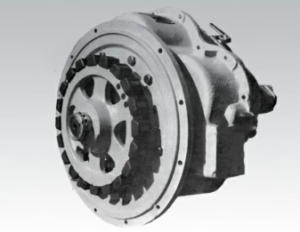
Introduction to Twin Disc MG507 Marine Gear
- Overview of the Twin Disc MG507 Marine Gear
- Key Features and Applications
- Importance of Regular Maintenance
Installation Guidelines for Twin Disc MG507 Marine Gear
- Pre-Installation Checklist
- Tools and Equipment Required
- Step-by-Step Installation Process
- Initial Setup and Alignment Procedures
Operating Instructions for Twin Disc MG507 Marine Gear
- Starting the Marine Gear
- Recommended Operating Procedures
- Tips for Optimal Performance
- Safety Guidelines During Operation
Maintenance Procedures for Twin Disc MG507 Marine Gear
- Routine Maintenance Schedule
- Lubrication Requirements and Intervals
- Inspection Points for Wear and Tear
- Cleaning and Storage Recommendations
Troubleshooting Common Issues in Twin Disc MG507 Marine Gear
- Identifying Common Operational Problems
- Diagnostic Tips and Techniques
- Step-by-Step Solutions for Common Issues
- When to Consult a Professional
Repair Procedures for Twin Disc MG507 Marine Gear
- Disassembly Process and Key Considerations
- Component Inspection and Replacement Guidelines
- Reassembly Instructions
- Torque Specifications and Alignment Tips
Twin Disc MG507 Marine Gear Parts Overview
- Overview of Critical Components
- Rebuild Kits and Overhaul Kits Explained
- Gasket and Seal Kit Options
- Bearings and Plate Kit Details
- Replacement Parts Availability
Rebuild Kit Details for Twin Disc MG507 Marine Gear
- What’s Included in a Standard Rebuild Kit
- Compatibility Considerations
- Installation Tips for Rebuild Kits
- Warranty Information
Safety Guidelines for Twin Disc MG507 Marine Gear
- Safety Precautions During Service
- Proper Lifting and Handling Techniques
- Ensuring Safe and Efficient Repairs
Frequently Asked Questions (FAQ)
- How often should I service my Twin Disc MG507 Marine Gear?
- What are the signs that my marine gear needs repair?
- Where can I purchase high-quality aftermarket parts?
- How do I ensure proper alignment during installation?
- What’s included in a typical rebuild kit?
Conclusion
- Importance of Using High-Quality Aftermarket Parts
- How Regular Maintenance Extends Gear Life
- Encouragement to Consult Diesel Pro Power for Additional Needs
Disclaimer
For more detailed specifications, diagrams, and advanced repair techniques, always refer to the OEM service manual.
Videos About Twin Disc Transmissions
6 Reasons Your Twin Disc Transmission Has Low Oil Pressure
7 Reasons Your Twin Disc Transmission Is Overheating
3 Reasons Your Clutch Plates in Your Twin Disc Transmission Are Making Excessive Noise
Bull Gear On A Twin Disc Transmission
Rebuilt Twin Disc Transmissions
MG507 Twin Disc Marine Transmission Parts — Rebuilt MG507 Gear Section
Meet the workhorse that’s powered countless commercial, industrial, and workboat fleets: the Twin Disc MG507. On this page, you’ll find a comprehensive, model-focused catalog for rebuilt MG507 marine transmissions in the most requested gear ratios, plus essential companion components. Every rebuilt MG507 transmission listed here is spin tested and sold with a refundable core deposit. Use the detailed selection guidance below to match ratio, case style, and accessory options to your vessel and operating profile.
Rebuilt MG507 Transmissions by Ratio
Below are the MG507 ratios most operators choose when repowering or refreshing a drivetrain. Each transmission is professionally rebuilt, spin tested, and prepared for straightforward swap-in service using standard marine practices. Descriptions highlight where a given ratio shines, typical operating scenarios, and what to verify before ordering.
MG507 — 1.00:1 (Direct Drive)
If you need a true, direct connection between the engine and the propeller shaft, the 1:1 MG507 is the classic solution. Direct drive preserves engine RPM at the shaft, which is ideal where propeller pitch, diameter, and hull form have been optimized around engine speed. It’s commonly favored for:
-
High-efficiency cruise profiles where hulls are tuned for a narrow band of RPM.
-
Light-to-moderate displacement vessels that can spin a relatively small-to-mid prop efficiently at engine speed.
-
Tight throttle response requirements—harbor work, fast maneuvering, or operations where immediate torque transfer matters.
Selection notes for 1:1:
Confirm your propeller’s absorbed power at your engine’s rated RPM. Hulls not optimized for direct drive may benefit from a modest reduction (see 1.5:1) to improve holeshot and mid-range thrust without overspeeding the prop.
MG507 — 1.50:1 (Light Reduction)
The 1.5:1 MG507 delivers a balanced improvement in thrust and propeller efficiency while keeping cruise RPM practical. It’s a sweet spot for operators who want stronger low-speed control than direct drive offers, without a large jump in shaft torque.
-
Better bite at low speeds, making close-quarters handling and docking more controlled.
-
Allows a larger propeller or a higher pitch, often yielding improved mid-range fuel economy.
-
Versatile across mixed-use fleets, from patrol and utility boats to coastal work vessels.
Selection notes for 1.5:1:
Great for vessels that occasionally run heavy or tow intermittently but still need a brisk cruise. Pair with a propeller assessment to keep engine load in the right window across typical sea states.
MG507 — 2.00:1 (General-Purpose Reduction)
The 2:1 MG507 is a proven, general-purpose reduction that many operators regard as the “do-most-things-well” ratio. It increases shaft torque and lets you swing a prop that’s substantially more effective at pushing weight.
-
Noticeably stronger thrust under load—useful for heavier displacement boats.
-
Cruise RPM flexibility with wider propeller choices.
-
Popular for planing hulls that carry gear or tow periodically, where lugging at mid-range is a concern.
Selection notes for 2:1:
Be realistic about average loading. If you consistently haul heavy or push into current and weather, 2:1 often prevents overloading the engine while maintaining good cruise performance.
MG507 — 2.50:1 (Heavy Utility Reduction)
When you need authoritative push at lower speeds—think workboats, utility craft, and loaded patrol vessels—2.5:1 is a go-to. It significantly multiplies torque at the shaft for confident acceleration and station-keeping.
-
Enhanced bollard pull and low-speed authority.
-
Better control in chop or current, especially with frequent start-stop cycles.
-
Ideal for displacement hulls that rarely run light and for vessels with frequent towing or pushing duties.
Selection notes for 2.5:1:
Expect higher shaft torque and greater propeller inertia. Verify coupling, shaft diameter, and propeller hub specifics to ensure the driveline is rated for the increased loads.
MG507 — 3.00:1 (Maximum Thrust in the Lineup)
When the mission demands maximum low-speed thrust from the MG507 family, 3:1 is the choice. This ratio prioritizes grip, control, and push—perfect for operations where getting on step fast is not the goal, but moving mass with authority is.
-
Top choice for demanding work profiles: towing, pushing, or heavily laden transits in adverse conditions.
-
Pairs with large-diameter, efficient props for powerful bite and station-keeping.
-
Improves maneuvering authority when wind and current are consistently part of the job.
Selection notes for 3:1:
Coordinate with your propeller specialist to protect against over-propping. The extra reduction can tempt oversizing. Keep engine loading within recommended ranges across the duty cycle.
Companion Component
Input Coupling for MG507 (Centaflex-Type, SAE #3)
A vibration-damping input coupling for MG507 installations using an SAE #3 interface. This component helps smooth torsional irregularities from the engine and reduces transmitted vibration to the gearbox, enhancing longevity of both drivetrain and mounts. It’s an excellent add-on when you’re refreshing an older installation, changing ratio, or updating engine calibration.
Fitment notes:
-
Confirm flywheel housing spec and pilot dimensions.
-
Verify bolt circle, spline or hub detail, and any required shims.
-
When in doubt, reference gearbox identification plate data to validate compatibility.
How to Choose the Right MG507 Ratio
Match Ratio to Vessel Weight & Duty Profile
-
Light to moderate displacement & agile handling: 1:1 or 1.5:1 keeps the boat lively and responsive.
-
Mixed duty with gear/tow cycles: 2:1 is a versatile standard, balancing thrust with cruise efficiency.
-
Consistently heavy, utility-first operations: 2.5:1 or 3:1 for confident push, station-keeping, and load control.
Consider Propeller Strategy
-
Direct drive (1:1): Smaller diameter or lower pitch props, tuned for engine speed.
-
Higher reductions (2.5–3:1): Larger diameter/greater pitch for superior low-speed thrust and fuel economy near hull speed.
Think About Sea State & Current
Operators in heavy weather or strong current benefit from increased reduction to maintain thrust reserve. A 2.5:1 or 3:1 can be the difference between fighting the wheel and executing controlled maneuvers.
Build in Future Flexibility
If your mission profile could get heavier—more equipment, longer patrols, added crew—select a slightly higher reduction now to avoid a second repower later.
Identifying Your MG507 for Replacement
Use the Gearbox Identification Plate
Before ordering, capture:
-
Model (MG507)
-
Serial or spec data
-
Case variant details if present (shallow/deep, if labeled)
-
Rotation information and any auxiliary options historically installed (e.g., trolling provision)
Survey the Current Installation
-
Bell housing and flywheel interface: Typically standardized by SAE patterns—verify the exact spec onboard.
-
Shaft line details: Diameter, taper, keyway, coupling type, thrust bearing placement.
-
Control system: Mechanical or hydraulic actuation; confirm compatibility with wheelhouse controls.
-
Cooling loop: Raw water or oil-to-water cooler configuration.
Capturing these details ensures your rebuilt MG507 arrives ready to slot into place with minimal adaptation.
What “Spin Tested” Means for Your Rebuilt MG507
Every rebuilt MG507 transmission listed here is spin tested prior to shipment. Spin testing verifies smooth operation across engagement and rotation, confirms oil pressure behavior and clutch application, and provides an operational check under controlled conditions. It’s the reliability layer operators want in mission-critical fleets—proof that the gear you receive has been function-checked, not just assembled.
(Per customer request, no additional rebuild procedures are detailed here—rest assured that the end result you receive is a professionally rebuilt, spin-tested MG507 ready for service.)
Core Deposit & Exchange — What to Expect
Rebuilt MG507 transmissions are sold with a refundable core deposit. The typical flow is straightforward:
-
Order your rebuilt MG507.
-
Install and place your original core on a pallet—cleaned, drained, and capped per standard shipping practice.
-
Return the core using the provided instructions and carrier guidance.
-
Deposit refund is processed upon core receipt and inspection.
Returning a like-for-like MG507 core expedites the refund. If your core has catastrophic damage, contact support—alternative arrangements can often be made.
Installation Readiness Checklist (Operator-Friendly)
-
Gear ratio chosen (1:1, 1.5:1, 2:1, 2.5:1, or 3:1)
-
Rotation and control strategy confirmed
-
Mounting dimensions verified against your stringer or bedplate
-
Input coupling spec matched (hub, spline/bolt pattern, SAE housing)
-
Oil cooler interfaces and hose routing planned
-
Shaft alignment plan ready (shop or yard resource identified)
-
Control cables or hydraulic lines measured and inspected
-
Lubricant type and capacity on hand per gearbox label
This checklist shortens time at the dock and helps avoid “one more part” delays.
Operating Profiles: Where Each Ratio Excels
Harbor Utility & Push Boats
-
Frequent gear changes, low-speed thrust, windage control.
-
Ratios: 2.5:1 or 3:1 to keep prop bite reliable in current.
Patrol & Interdiction Craft
-
Quick response from idle to maneuvering, mid-range fuel economy.
-
Ratios: 1.5:1 or 2:1, depending on average load.
Coastal Workboats & Tenders
-
Mixed duty—light runs followed by heavy pushes or tows.
-
Ratios: 2:1 for versatility, 2.5:1 for heavier legs.
Planing Hulls with Variable Payload
-
Need to protect against lugging when loaded but still run light at times.
-
Ratios: 2:1 as a balanced choice.
Displacement Craft Running Heavy
-
Thrust and control trump top speed.
-
Ratios: 2.5:1 or 3:1.
MG507 Case & Configuration Considerations
While the core MG507 architecture is a proven Twin Disc design, installations can vary:
-
Case profile: Your legacy gear may be identified as shallow or deep; match replacement accordingly when applicable.
-
Cooling configuration: Ensure your cooler capacity and raw water flow are adequate for your duty cycle.
-
Control packages: Mechanical linkages vs. hydraulic actuation—order the correct control interface to avoid refit hassle.
-
Optional features: Provisions such as trolling control (if originally fitted) should be confirmed so that the replacement aligns with wheelhouse expectations.
If you’re unsure how your current unit is configured, photograph the ID plate and connection faces and share those at the time of quote or order.
Propeller, Shaft, and Coupling Notes
-
Propeller: Reduction enables a larger, more efficient prop at working speeds. Align selection with engine power curves and hull resistance.
-
Shafting: Higher ratios increase torque; verify shaft diameter, taper, and keyway strength.
-
Couplings: The Centaflex-type SAE #3 input coupling listed on this page is a popular vibration-damping solution for MG507 installs. Confirm hub detail and length to avoid thrust face mismatch.
A brief propeller consultation can reveal easy efficiency gains when changing ratios.
Maintenance Snapshot for MG507 Operators
-
Oil and filter intervals aligned with your duty cycle—shorten intervals for severe service or high idle hours.
-
Regular checks for oil level, color, and odor; investigate foaming or discoloration immediately.
-
Cooler inspection to keep oil temperatures in range; raw water side should be free of scale and growth.
-
Mount and alignment verification at haul-out or after hard service; alignment drift is a silent gearbox killer.
These basics preserve the value of your rebuilt, spin-tested MG507 and extend service life between overhauls.
Ordering Tips That Save Time
-
Provide engine model, flywheel housing size, control type, and drive coupling details with your quote request.
-
Share photos of the ID plate, bell housing, and coupling if available.
-
If your vessel is in a remote yard, include the shipping address and handling constraints for accurate logistics.
With the right details, fulfillment teams can match configuration faster and minimize back-and-forth.
Troubleshooting Signals & Ratio Clues
-
Sluggish acceleration when loaded: Consider stepping from 1:1 or 1.5:1 to 2:1 for better thrust.
-
Engine lugging near cruise: Re-evaluate prop and ratio; 2.5:1 may restore headroom.
-
Over-revving at light load: Prop may be undersized for your ratio; consult before changing gears again.
-
Heat rise under sustained push: Inspect cooler capacity and raw water flow; verify oil spec.
Addressing symptoms early often avoids costly downstream repairs.
Shipping, Packaging & Core Return Best Practices
-
Palletized and protected: Rebuilt MG507 units ship secured, capped, and wrapped to keep ports clean and dry.
-
Receiving inspection: Photograph packaging and unit on arrival; verify model tag and ratio.
-
Core preparation: Drain, cap, and strap securely. Label with your RMA or return reference to ensure proper credit.
Clear labeling and proper blocking save time and protect your core value during transit.
Why Choose Diesel Pro Power for Your MG507
Focused Twin Disc Expertise
Diesel Pro Power specializes in legacy and current marine drivetrain support, with a deep catalog and knowledgeable staff who understand the practical differences between MG507 ratios in real-world service.
Spin-Tested Rebuilt Quality
You’re not just buying a transmission—you’re buying confidence. Each rebuilt MG507 is spin tested before it leaves the facility, giving you a proven operational check.
Core Exchange, Simplified
Clear instructions, responsive communication, and fair inspections make core returns predictable. The process is designed to keep your downtime—and paperwork—minimal.
Fast, Global Fulfillment
From busy commercial hubs to remote yards, Diesel Pro Power supports global shipping and documentation to keep your project on schedule.
Technical Support That Speaks Operator
From ratio selection to coupling fitment, you’ll get practical guidance grounded in thousands of real installs. Need photos or dimension confirmations? Ask—we know that details matter at the dock.
Trusted by 40,000+ Satisfied Customers
Our customer base spans commercial fleets, government and municipal operators, shipyards, and independent marine mechanics—proof that consistent quality and reliable service win repeat business.