


 Free US Calls: 1-888-433-4735
 International: 305-545-5588
Diesel Pro Power Gauges and Senders — Why They Matter for Monitoring Your Engine’s Vital Signs
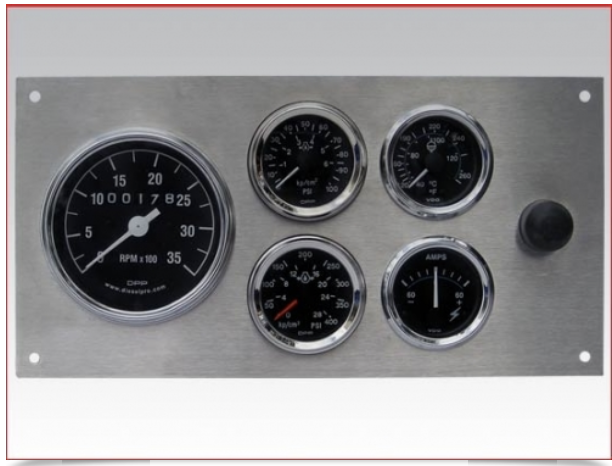
Whether you operate a marine vessel, industrial generator, commercial truck, or heavy equipment powered by Detroit Diesel, Cummins, Caterpillar, or other major engine brands, monitoring engine vitals is one of the most important parts of keeping your equipment healthy. Your engine is constantly working under load, heat, vibration, and environmental changes. Without reliable instruments to read temperature, oil pressure, voltage, RPM, and more, you’re essentially running blind.
That’s where Diesel Pro Power’s gauges and senders come in. Diesel Pro Power carries a full selection of high-quality gauges and compatible senders designed for marine, industrial, and performance-critical applications. These instruments give operators accurate, real-time readings, helping to prevent costly damage, detect issues early, and maintain safety.
Gauges are the eyes of your engine room. Senders are the sensors that feed those eyes. When both are functioning correctly, they work together to deliver vital information that keeps your engine operating at peak performance.
The Importance of Engine Gauges in Your Equipment or Vessel
Engine gauges provide direct, immediate feedback about the most important aspects of your engine’s operation. They help you catch problems before they turn into breakdowns, overheating incidents, or catastrophic failures. Here’s why they matter.
1. Temperature Gauges: Preventing Overheating and Internal Damage

An engine running too hot is a disaster waiting to happen. Overheating leads to:
-
Cracked heads
-
Blown gaskets
-
Oil breakdown
-
Piston scuffing
-
Complete engine failure
Temperature gauges allow you to monitor coolant and sometimes exhaust temperatures so you can make adjustments—or shut down—before serious damage occurs.
2. Oil Pressure Gauges: Protecting the Lifeblood of Your Engine

Oil pressure is one of the most critical readings on any engine. Without proper lubrication:
-
Bearings fail
-
Pistons wear out
-
The crankshaft becomes damaged
-
Turbos can seize
A good oil pressure gauge tells you instantly if the engine is being starved of lubrication. Often, an oil pressure reading is the first sign of a failing pump, clogged filter, or low oil level.
3. Tachometers: Monitoring Engine Load and Performance

RPM gauges help operators keep engines running within safe limits. Running too fast can cause overspeeding, overheating, and premature wear. Running too slow under load can cause lugging or carbon buildup.
A reliable tachometer helps you maintain efficiency and protect your engine’s long-term health.
4. Voltmeters and Ammeters: Keeping the Electrical System Healthy
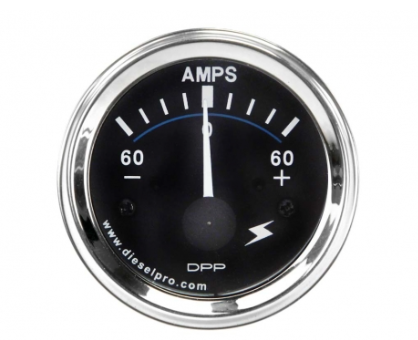
Electrical problems can be subtle but dangerous. Losing alternator output, having a weak battery bank, or suffering voltage drop can shut down systems unexpectedly.
Monitoring voltage and charging output helps prevent failures of:
-
Starters
-
Navigation systems
-
Engine computers
-
Fuel solenoids
-
Safety alarms
A voltmeter is one of the simplest yet most important gauges on any vessel or rig.
5. Fuel Level and Transmission Gauges: Completing the Picture
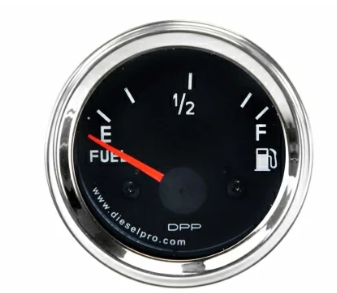
Depending on the setup, you might also have:
-
Transmission oil temperature gauges
-
Transmission pressure gauges
-
Boost gauges (for turbocharged diesels)
-
Fuel level gauges
-
Vacuum gauges
All of these instruments play a role in monitoring overall equipment performance.
Why Engine Senders Are Just as Important as the Gauges
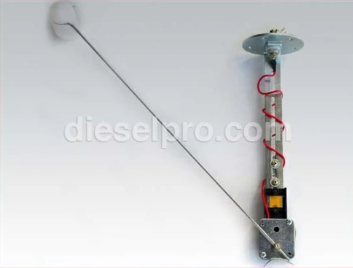
While gauges show you the information, senders (or sensors) generate the information. A gauge is only as accurate as the sender feeding it.
Senders measure the actual condition inside the engine—such as temperature, pressure, or voltage—and convert that into a reading that appears on the gauge.
Using worn-out or incompatible senders can lead to:
-
False readings
-
Inaccurate temperature or pressure levels
-
Failure to warn you of real problems
-
Gauges that appear broken when the sender is the real issue
For example:
-
A bad temperature sender may show normal temps while the engine is overheating.
-
A failing oil pressure sender may cause the gauge to bounce or read low when pressure is fine.
-
An old voltage sender may indicate the system is charging when it’s actually failing.
Because gauges and senders work as a pair, they should always be replaced together if one begins to fail. Mismatched parts—especially when mixing old and new—often lead to unreliable performance.
Why You Should Replace Gauges and Senders as a Set
Gauges and senders rely on matching electrical resistance, calibration, and response characteristics. Even a slight mismatch can create incorrect readings.
Replacing them together ensures:
-
Accurate measurement
-
Reliable alarm activation
-
Stable needle movement
-
Longer life and better performance
-
Greater safety for the operator and equipment
If you’re making the effort to update your instrumentation, pairing new gauges with new senders eliminates the guesswork and restores confidence in your entire monitoring system.
Gauges Are Your First Line of Defense Against Engine Trouble
In many engine failures, the gauges already warned the operator—if they had been functioning correctly. Properly operating gauges and senders give you the chance to shut down early, avoid catastrophic damage, or fix a minor issue before it becomes expensive.
Without accurate gauges, you may not know:
-
Your oil pressure is dropping
-
Your coolant temperature is rising
-
Your alternator stopped charging
-
Your transmission is overheating
-
Your turbo is overboosting
For marine engines especially, this can mean the difference between a smooth trip and an emergency tow at sea.
Why Diesel Pro Power Is the Best Place to Buy Your Engine Gauges and Senders
When it comes to monitoring your engine’s vitals, you can’t afford unreliable gauges or inaccurate senders. Diesel Pro Power has become the trusted supplier for thousands of operators, captains, fleet owners, and mechanics because they carry high-quality, dependable instruments built for marine and industrial environments.
Diesel Pro Power’s gauges and senders are designed for durability, accuracy, and long service life. They avoid the low-grade aftermarket parts that many online retailers offer—products that often fail prematurely or give inaccurate readings. Instead, Diesel Pro Power provides instruments that meet the standards required by demanding diesel applications.
Another major advantage is availability and speed. Diesel Pro Power ships to over 180 countries and maintains large inventory levels, ensuring fast delivery so your equipment experiences minimal downtime. Their gauges and senders are clearly listed on an easy-to-navigate website with accurate photos and descriptions, making ordering simple and mistake-free.
Most importantly, Diesel Pro Power offers expert customer support. If you’re unsure which gauge or sender you need, their knowledgeable team can guide you, ensuring compatibility and correct installation.
For reliability, accuracy, support, and fast delivery, Diesel Pro Power stands out as the best source for engine gauges and senders your equipment can depend on.