

 Free US Calls: 1-888-433-4735
 International: 305-545-5588
Where Detroit Diesel 12V149 Engines and Twin Disc MG527 Transmissions Still Work Today — And How Diesel Pro Power Keeps Them Alive

Open the engine room door on a lot of older commercial fishing vessels, and you’ll still find a familiar sight: a big two-stroke Detroit Diesel 12V149 turning a Twin Disc MG527 marine transmission. It’s a pairing that defined an era of heavy-duty fishing and workboat power — and even though many new builds have moved on to electronic engines, this combination is very much not extinct.
From high-hour fishing boats to refitted workboats, there are still owners who trust the 12V149 + MG527 combo to make a living on the water. The challenge isn’t the horsepower. The challenge is parts. That’s exactly where Diesel Pro Power comes in.
The Detroit Diesel 12V149 + Twin Disc MG527: A Legacy Workhorse Combo
The 12V149 and MG527 were designed for one thing: moving heavy vessels that don’t get to pick their weather.
-
Detroit Diesel 12V149
A 12-cylinder, V-configuration, two-stroke diesel from the legendary 149 series. Known for:-
High horsepower output in a relatively compact footprint
-
Simple mechanical fuel and air systems compared to today’s electronics
-
A reputation for pulling hard and running at high load for long periods
-
A sound and feel that a lot of captains still recognize instantly
-
-
Twin Disc MG527 marine transmission
A heavy-duty marine gearbox built to sit behind large mechanical diesels like the 12V149 and transfer torque to big propellers. Known for:-
Robust gear train and clutch design for continuous-duty service
-
Configurations suitable for high-torque commercial applications
-
Reliability in harsh marine environments where downtime is expensive
-
Paired together, they powered large fishing vessels, utility boats, and other heavy commercial platforms where reliability mattered more than fuel economy or digital convenience.
Where This Legacy Pairing Still Exists Today

You don’t see many new installations of 12V149s and MG527s — but you absolutely still see operating vessels that rely on them. In many fleets, these engines and transmissions are “paid for twice over” and still doing exactly what they were built to do.
1. Large Commercial Fishing Vessels
The most common home for this combo is exactly what’s in your video: large commercial fishing vessels. You’ll still find 12V149 + MG527 setups in:
-
Older trawlers that were built when two-stroke Detroits were the industry standard
-
Factory boats / processors that need constant, reliable shaft horsepower for long seasons
-
High-horsepower seiners or longliners that were originally spec’d with Detroit main engines and Twin Disc gearboxes
A lot of these boats have been refitted multiple times, but the main engines and transmissions are still original — simply overhauled and maintained as needed. For owners, the math often works: the vessel is structurally sound, the operating profile hasn’t changed, and the cost of repower is massive. Keeping the 12V149 and MG527 running is often the most economical option.
2. Legacy Workboats and Utility Vessels
Outside fishing, you’ll also find this pairing (or 12V149s with other Twin Disc models) in:
-
Harbor tugs and pushboats that never got repowered
-
Offshore support or supply vessels from earlier generations that found second life in less demanding roles
-
Government or ex-government vessels converted to commercial use but still running their original propulsion packages
In many of these applications, the vessels don’t rack up the hours they once did, but the powertrain is still more than capable. As long as parts and support exist, there’s no reason to retire a functioning 12V149 + MG527 system.
3. Refits and Specialty Applications
Every once in a while, a 12V149 + Twin Disc package taken out of one hull ends up installed in another:
-
Older hulls that are structurally sound but need an affordable repower
-
Specialty vessels where mechanical simplicity is valued more than Tier-certified emissions
-
Owners who deliberately prefer a fully mechanical engine with familiar service procedures
These are less common, but they exist — especially with operators who know the Detroit 149 series inside and out and have built their in-house maintenance practices around them.
Why Operators Still Keep the 12V149 + MG527 Running
If newer engines are more efficient and cleaner, why keep this legacy package? There are some very practical reasons.
1. Proven Reliability in Harsh Conditions
Commercial fishing isn’t a test bed; it’s a business. Many operators have:
-
Decades of runtime history with the 12V149 + MG527 combo
-
Confidence that, when maintained correctly, this drivetrain will finish the season
-
Real-world experience knowing how the engine behaves under load, in heavy seas, and after long idle periods
When a powertrain has already proven itself in real conditions, sticking with it can be safer than experimenting with something unfamiliar.
2. Mechanical Simplicity and Familiar Service
A lot of captains and engineers grew up working on Detroits and Twin Disc gearboxes. With the 12V149 and MG527:
-
Diagnostics are done with gauges, eyes, and ears, not laptops
-
Many repairs can be handled in-house or dockside
-
There’s no dependence on proprietary electronic tools or software access
In remote areas, that’s a big deal. If you can’t afford to wait on a dealer technician with a laptop, a mechanical engine + gearbox becomes a strategic advantage.
3. Repower Cost vs. Vessel Value
Repowering a large commercial fishing vessel is expensive: new engine, new transmission or gear ratio, new mounts, props, alignment, exhaust, controls, wiring, and often structural modifications. For a steel or fiberglass hull that’s already paid off:
-
Overhauling the existing 12V149 and servicing the MG527 is often far cheaper
-
The vessel returns to work faster with a known powertrain
-
The owner avoids the risk of mid-season teething issues that can come with a new, unfamiliar setup
As long as parts are available, many operators choose to maintain instead of replace.
The Real Problem: Parts Support for a Legacy Powertrain

The weak point in any legacy setup isn’t the design — it’s the supply chain. As OEMs move focus to newer engine platforms and transmission models, it gets harder to find:
-
Correct engine internals and service components for the Detroit Diesel 12V149
-
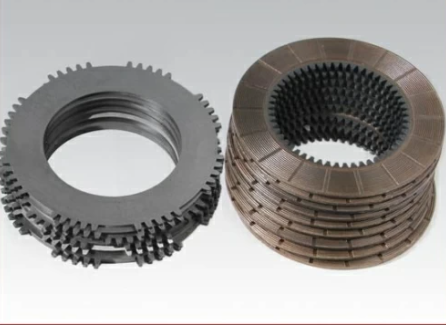
Quality replacement parts and support for Twin Disc MG527 transmissions
-
Suppliers who actually know how these systems fit together in real vessels
That’s where Diesel Pro Power steps in.
Why Diesel Pro Power Is a Solution for 12V149 + MG527 Owners

Diesel Pro Power specializes in keeping legacy commercial equipment alive and working. For operators still running Detroit Diesel 12V149 engines and Twin Disc MG527 transmissions, that matters more than ever.
1. Focus on Legacy Detroit Diesel and Twin Disc Support
Instead of treating older models as an afterthought, Diesel Pro Power actually leans into supporting them. For a captain or fleet manager running a 12V149 and MG527, that means:
-
You’re not fighting through catalogs built only around the latest engines
-
You’re dealing with a team that already understands older Detroit and Twin Disc platforms
-
You can source multiple related components from one place instead of piecing orders together from different vendors
This is especially important when you’re trying to line up a haul-out, overhaul, or mid-season repair and can’t afford to waste time chasing part sources.
2. Comprehensive Parts Coverage Around the Engine and Gearbox
Keeping a 12V149 + MG527 alive takes more than just a couple of gaskets. Diesel Pro Power’s advantage is in breadth, not just one or two part numbers. For a setup like yours, that includes:
-
Core engine components for Detroit Diesel 12V149:
-
Cylinder head and block-related components
-
Pistons, liners, rings, and bearings
-
Fuel system parts, cooling parts, and lubrication system components
-
-
Transmission and driveline support for Twin Disc MG527:
-
Service parts and wear components specific to MG527 models
-
Seals, gaskets, and components tied into the marine driveline
-
Supporting hardware needed when the gearbox comes out for service
-
-
Supporting systems around the powertrain:
-
Cooling and raw water components that keep the 12V149 within safe temperature range
-
Filters, hoses, and mounting-related parts around the engine/transmission package
-
Electrical and instrumentation items tied to engine operation and monitoring
-
Instead of only handling one small slice of what you need, Diesel Pro Power makes it realistic to support the whole propulsion package over the life of the vessel.
3. Built for Commercial Operators, Not Just Hobby Projects
A large commercial fishing vessel isn’t a weekender. When the engine room is built around a 12V149 and MG527, downtime equals lost trips, lost quota, and lost revenue. Diesel Pro Power aligns with that reality by focusing on:
-
Availability and consistency – so you’re not left waiting for basic service parts
-
Support that understands commercial use – meaning realistic expectations about load, hours, and duty cycle
-
Solutions for ongoing maintenance – so the legacy powertrain can be supported not just for one job, but for many seasons ahead
The result is that operators can confidently plan overhauls, mid-life refreshes, and in-season repairs around a parts source that is actually tuned to their world.
4. A Long-Term Path for Legacy Power
Nobody expects the 12V149 + MG527 combination to suddenly come back into new production. But that doesn’t mean today’s engines are on borrowed time. With proper support:
-
A well-maintained 12V149 can still deliver reliable power and earn its keep
-
An MG527 can continue transmitting torque season after season
-
Owners can make business-based decisions about repower timing instead of being forced into it by parts shortages
Diesel Pro Power helps turn that from theory into reality by making the parts pipeline dependable for the long term.