


 Free US Calls: 1-888-433-4735
 International: 305-545-5588
The Role of Camshaft Timing Gears in the Detroit Diesel 6-71 Engine
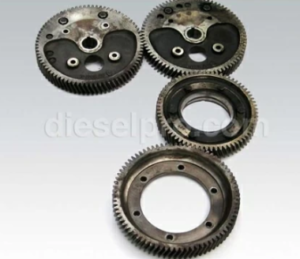
The Detroit Diesel 6-71 is one of the most iconic diesel engines ever developed. Known for its mechanical simplicity, distinctive sound, and remarkable longevity, this 2-cycle workhorse has powered tugboats, fishing vessels, commercial head boats, military equipment, buses, and industrial generators for generations. One of the most critical—and often overlooked—components in its design is the camshaft timing gear assembly.
Although small compared to the block or blower, the timing gears serve as the engine’s internal “clock.” They synchronize fuel injection, valve operation, and blower rotation. Without proper timing gear function, the engine cannot start, run cleanly, maintain power, or survive under load.
This article explains the purpose, operation, and importance of camshaft timing gears in the Detroit Diesel 6-71, including how they interact with the crankshaft, the blower drive, and fuel injectors; what happens when timing gears wear; and why proper alignment is essential to engine life and performance.
See Our Catalog Of Parts For The Detroit Diesel 6-71 Engine
Understanding the Detroit Diesel 6-71 Two-Cycle Timing System
Unlike a four-stroke engine, the Detroit Diesel 6-71 fires every revolution. It uses:
- A Roots blower for scavenging
- Ports in the cylinder liner for intake
- Exhaust valves in the head
- Mechanically actuated unit injectors
These components must work in perfect synchronization. That timing is governed entirely by the gear train at the front of the engine.
The timing gear assembly includes:
- The crankshaft gear
- The camshaft gear
- The blower drive gear
- The fuel pump / accessory drive gear
- Idler gears (depending on configuration)
Together, these gears keep the 6-71’s entire breathing and fuel system in precise mechanical harmony.
What the Camshaft Timing Gears Actually Do
1. Synchronize the Camshaft With the Crankshaft
The most important job of the timing gears is to maintain the correct rotational relationship between the crankshaft and the camshaft.
On the Detroit 6-71:
- The crankshaft turns twice as fast as the camshaft
- The gears maintain the proper ratio
- The cam opens the exhaust valves exactly when needed
- The cam activates the injectors at the correct moment in each cycle
Even a slight shift in timing would cause misfires, smoke, loss of power, and increased temperatures.
2. Control Fuel Injection Timing
Each cylinder’s unit injector is mechanically actuated by the cam via the pushrod and rocker arm. Because Detroit 2-strokes rely on precise timing to deliver fuel at the exact point in the cycle, the timing gears play a major role in:
- Injection pressure
- Injection duration
- Combustion quality
- Cold-start behavior
- Load response
If the camshaft gear drifts even a degree, the balance between cylinders deteriorates quickly.
3. Operate the Exhaust Valves
The 6-71’s intake occurs through ports in the liner, but the exhaust valves are controlled by the cam.
The timing gears determine:
- When the exhaust valves open
- How long they stay open
- When they close to seal the cylinder
Proper exhaust valve timing is essential for scavenging—expelling exhaust gases and pulling in fresh air from the blower.
4. Drive the Roots Blower
Another critical function of the timing gear system is powering the blower drive gear, which in turn rotates the Roots-style blower.
The blower provides:
- Fresh air for combustion
- Scavenging force to clear exhaust
- Cooling air movement through the cylinders
Without the timing gears, the blower would not rotate, and the engine would instantly stall.
5. Maintain Harmonized Cylinder Performance
Detroit 2-strokes are extremely sensitive to timing differences between cylinders. Because the timing gears coordinate every injector and exhaust valve at once, they are the “musical conductor” of the engine.
A properly timed gear train ensures:
- Even firing
- Balanced load distribution
- Stable idle
- Smooth throttle response
Worn, chipped, or misaligned gears lead to rough running and severe long-term wear.
How Timing Gears Are Built and Why They Last
Detroit Diesel designed the 6-71 timing gears for durability. They are typically:
- Precision-machined
- Made from hardened steel
- Pressure-lubricated by the engine’s oil system
- Engineered to run for thousands of hours
Because they operate at the front of the engine and see constant load, their strength is essential for reliability.
The gear teeth are helical-cut for smooth operation and reduced noise. Their metallurgy allows them to withstand:
- Heavy torsional loads from the crank
- Sudden acceleration and deceleration
- High-RPM injector actuation
- Continuous blower resistance
Even so, they are not immune to wear.
What Happens When Timing Gears Wear or Fail
Although timing gears typically last many years, problems do occur—especially on older engines.
Common symptoms of timing gear issues include:
- Hard starting
- Rough idle
- Inconsistent injector rack operation
- Backfiring or afterfire
- Heavy white or black smoke
- Loss of power under load
- Excessive exhaust temperature variation
- Loud gear whine or grinding noises
Severe issues may cause:
- Broken teeth
- Camshaft shift
- Blower drive failure
- Injector mis-timing
- Crankshaft damage in catastrophic cases
Because Detroit 2-strokes depend heavily on precise timing, problems escalate quickly if gear wear is ignored.
Why Timing Alignment Is Critical During Rebuilds
During engine assembly or overhaul, the camshaft and crankshaft must be aligned using Detroit Diesel’s timing marks:
- A stamped mark on the cam gear
- A corresponding mark on the crank gear
- Proper alignment with the idler gears
- Correct injector cam lobe orientation
Failure to follow this procedure results in:
- Incorrect injector timing
- Late or early exhaust valve operation
- Misfiring
- Smoke and poor combustion
- Engine damage during startup
An improperly timed 6-71 may not run at all—or will run poorly enough to destroy itself.
The Gear Train and Long-Term Engine Life
Maintaining the timing gears protects:
- Pistons and liners
- Injectors
- Valves
- Blower rotors
- The crankshaft
- The camshaft
- Bearings and bushings
Proper timing keeps cylinder temperatures even, reducing stress on all components.
Best Practices for Maintaining Timing Gear Health
Operators should:
- Monitor engine oil pressure (gears rely on lubrication)
- Listen for abnormal front-gear whine
- Check for metal particles in oil samples
- Ensure proper valve and injector adjustment (“setting the rack”)
- Replace gears showing pitting, scoring, or excessive backlash
- Replace worn blower drive components immediately
During rebuilds, always verify gear lash, alignment, and cam indexing.
Conclusion: The Timing Gears Are the Synchronization Heart of the 6-71
The camshaft timing gears of the Detroit Diesel 6-71 are among the most essential components in the engine. They coordinate:
- Fuel injection
- Exhaust valve operation
- Blower rotation
- Overall engine timing
They are the mechanical heartbeat that keeps the entire system synchronized. When they are properly maintained and correctly timed, the 6-71 delivers decades of reliable service. When neglected, timing gear issues quickly affect combustion, power, efficiency, and engine life.
For operators running classic Detroits, understanding the role of the timing gears isn’t just technical knowledge — it’s the key to preserving one of the most legendary diesel engines ever built.