


 Free US Calls: 1-888-433-4735
 International: 305-545-5588
The Importance of Piston Rings for the Cummins 6BT 5.9L
A High-Level Guide for Fleet Managers Focused on Reliability and Cost Control
For fleet managers and equipment owners, the Cummins 6BT 5.9L engine is valued for one primary reason: long-term reliability under demanding duty cycles. Whether the engine is powering trucks, marine vessels, generators, or industrial equipment, uptime, predictable maintenance, and controlled operating costs matter more than incremental performance gains.
One of the most overlooked components that directly impacts all three of those goals is the piston ring set. While small and relatively inexpensive compared to major engine components, piston rings play an outsized role in engine health, efficiency, emissions, and rebuild longevity. For fleets operating multiple 6BT-powered assets, understanding the importance of piston rings is essential to protecting both engine life and operating budgets.
Shop Parts To Overhaul Your Cummins 6BT 5.9L Marine Engines
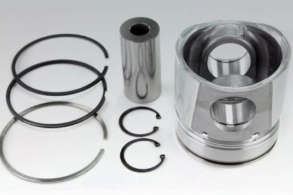
What Piston Rings Actually Do in the Cummins 6BT
In the Cummins 6BT 5.9L engine, piston rings serve three critical functions:
- Sealing combustion pressure
- Controlling oil consumption
- Transferring heat from the piston to the cylinder liner
Each of these functions directly affects engine durability and operating cost. When piston rings perform correctly, the engine runs efficiently and predictably. When they do not, the resulting damage is often progressive, expensive, and difficult to reverse without a major teardown.
Combustion Sealing: Protecting Power and Efficiency
The primary job of the top compression rings is to seal combustion pressure within the cylinder. The Cummins 6BT operates at high compression ratios and sustained load, which places constant stress on the ring pack.
For fleet managers, poor combustion sealing results in:
- Reduced engine power
- Increased fuel consumption
- Higher exhaust temperatures
- Accelerated cylinder and piston wear
Blow-by—where combustion gases leak past worn or improperly seated rings—leads to crankcase pressurization and contamination of engine oil. Over time, this degrades lubrication quality and increases wear across the entire engine, not just the cylinders.
Oil Control: Managing Consumption and Emissions
The oil control ring plays a crucial role in scraping excess oil from the cylinder wall and returning it to the crankcase. In the Cummins 6BT, proper oil control is essential for both performance and regulatory compliance.
When oil control rings degrade, fleets often see:
- Rising oil consumption
- Increased exhaust smoke
- Fouled injectors and turbo components
- Higher maintenance costs
Excessive oil burning is not just a cosmetic issue. It leads to carbon buildup in combustion chambers and exhaust systems, increasing the likelihood of injector problems and turbocharger failures—both costly repairs that impact fleet uptime.
Heat Transfer: Preventing Piston and Liner Damage
One of the least understood roles of piston rings is heat transfer. Piston rings conduct heat from the piston crown into the cylinder liner and cooling system. This is especially important in the Cummins 6BT, which often operates under sustained load in commercial and industrial applications.
If heat is not transferred effectively:
- Pistons overheat
- Ring lands can crack
- Liners can glaze or scuff
- Oil film breakdown accelerates wear
For fleet operators, poor heat management shortens engine life and increases the likelihood of catastrophic failures that remove assets from service unexpectedly.
Why Ring Quality Matters More Than Many Fleets Realize
Not all piston rings are created equal. Differences in material, coating, tension, and profile have a direct impact on ring performance and longevity.
High-quality piston rings for the Cummins 6BT are designed to:
- Maintain proper tension over long service intervals
- Seat quickly during break-in
- Resist wear under high cylinder pressures
- Withstand thermal cycling without losing elasticity
Low-quality or incorrect ring sets may appear to save money upfront, but they often result in premature blow-by, oil consumption, and shortened overhaul intervals—costs that far exceed the initial savings.
Ring Seating and Break-In: A Fleet Risk Factor
Improper ring seating is one of the most common causes of early engine problems after a rebuild. For fleet managers, this risk increases when multiple engines are rebuilt across different shops or technicians.
Poor ring seating can lead to:
- Chronic blow-by
- Persistent oil consumption
- Cylinder glazing
- Reduced compression
Ensuring that the correct piston rings are used—and that break-in procedures are followed consistently—is critical to achieving predictable engine life across a fleet.
Piston Rings and Total Cost of Ownership
From a fleet management perspective, piston rings directly influence total cost of ownership, not just rebuild cost.
Proper ring performance contributes to:
- Longer overhaul intervals
- Reduced oil consumption
- Lower fuel usage
- Fewer emissions-related issues
- More consistent engine performance
Conversely, ring-related failures often trigger cascading costs, including downtime, labor, and secondary component damage. Over the life of a fleet, these costs far outweigh the price difference between quality and substandard rings.
Duty Cycles and Ring Selection
The Cummins 6BT is used across a wide range of duty cycles, from light-duty generators to heavy commercial hauling and marine propulsion. Piston ring selection must account for these operating conditions.
Fleet managers should ensure that ring sets are appropriate for:
- Sustained high-load operation
- Frequent start-stop cycles
- Extended idle periods
- Marine or industrial environments
Using the wrong ring type for the application increases wear rates and reduces service life, even if the engine is otherwise well maintained.
Early Warning Signs Fleets Should Monitor
Ring-related issues often develop gradually. Fleet managers should monitor for:
- Increasing oil consumption trends
- Rising crankcase pressure
- Excessive blow-by
- Declining fuel efficiency
- Increased exhaust smoke
Tracking these indicators across the fleet allows for proactive maintenance before failures escalate into costly downtime.
Standardization Across Fleet Rebuilds
One of the most effective strategies fleet managers can adopt is standardizing piston ring specifications across all Cummins 6BT rebuilds. This ensures:
- Consistent performance across units
- Predictable maintenance intervals
- Simplified inventory management
- Easier diagnostics
Standardization reduces variability, which is often the hidden enemy of fleet reliability.
Conclusion: Small Components, Big Impact
For fleet managers responsible for Cummins 6BT-powered assets, piston rings may seem like a minor detail compared to injectors, turbochargers, or cylinder heads. In reality, they are one of the most important determinants of engine longevity, efficiency, and operating cost.
High-quality piston rings ensure proper combustion sealing, oil control, and heat transfer—three factors that directly influence uptime and total cost of ownership. Ignoring their importance or cutting corners during rebuilds exposes fleets to avoidable failures and unpredictable expenses.
In fleet operations, reliability is built on fundamentals. And in the Cummins 6BT 5.9L engine, piston rings are one of those fundamentals that no fleet can afford to overlook.
Shop Parts To Overhaul Your Cummins 6BT 5.9L Marine Engines