Blog
FEATURED POST
October 23, 2024
Why Choose Diesel Pro Power for Marine Diesel Engine Parts?
Faster - Easier - Better (We Keep Your Engines Running)
Extensive Selection & Easy To Use Platform
Fast, Worldwide Shipping:
Expert Support:
Durable, High-Quality Parts:
Final Thoughts
Read More
March 25, 2025
Why Fleet Managers Should Choose Diesel Pro Power for Overhaul Kits for Detroit Diesel 8V71 Engines (Non-Turbo & Turbo)
1. Diesel Pro Power Reduces Fleet Downtime—The Most Expensive Cost in Operations
2. A Comprehensive, Correct, and Consistent Overhaul Kit Every Time
3. A Supplier Trusted by More Than 40,000 Customers Worldwide
4. Extensive Parts Knowledge and Support for Both Non-Turbo and Turbo 8V71 Engines
5. Lower Lifetime Cost of Ownership Through Quality Parts and Predictable Ordering
6. A Single Source for All 8V71 Rebuild Components—Streamlining Procurement
7. Faster Turnaround on Major Repairs
8. Supporting Legacy Engines That Fleets Still Depend On
9. Professional Customer Service That Understands Fleet Operations
10. Long-Term Partnership Potential—Not Just One-Time Transactions
Conclusion: Diesel Pro Power Is the Smart Choice for Fleet Managers Overhauling Detroit Diesel 8V71 Engines
Read More
March 25, 2025
What the Timing Gears Do on a Detroit Diesel 8V71 Engine
The Role of Timing in a Detroit Diesel Two-Stroke Engine
What the Timing Gear Train Controls on an 8V71
How the Timing Gears Maintain Engine Synchronization
Why Timing Is So Critical in a 2-Stroke Detroit Diesel
Benefits of Detroit Diesel’s Timing Gear System
Common Timing Gear Issues in the 8V71
Signs of Timing Gear Problems
Conclusion: The Timing Gears Are the Backbone of the 8V71’s Function and Reliability
Read More
March 25, 2025
Why Tourism Boat Operators Still Run Detroit Diesel Engines
1. Tourism Boats Operate on Tight Schedules—and Detroit Diesels Deliver Predictable Reliability
2. Parts Availability Is Unmatched—A Critical Factor for Tourism Fleets
3. Mechanics Everywhere Know How to Work on Detroit Diesels
4. Operational Economics Favor Detroit Diesels
5. Detroit Diesels Offer the Power and Torque Profiles Tourism Boats Need
6. Two-Stroke Detroit Diesels Are Highly Rebuildable—Perfect for Operators Planning Long-Term
7. Tourism Vessels Operate in Harsh Environments—Detroit Diesels Handle It Well
8. Tourism Customers Don’t Require Ultra-Quiet or Ultra-Modern Engines
9. Regulatory Realities
10. The Engine’s Sound and Feel Are Familiar to Captains and Crews
11. Detroit Diesels Provide Great Resale Value for Certain Vessels
12. Tourism Operators Value Business Stability—and Detroit Diesels Provide It
Conclusion: Detroit Diesels Remain the Backbone of the Tourism Marine Industry
Read More
March 25, 2025
️
Installing a Cylinder Head and Injectors on a Cummins 6CTA 8.3L For Cummins 6C, 6CT, & 6CTA
Introduction For Cummins 6C, 6CT, & 6CTA
Preparing for the Cylinder Head Installation For Cummins 6C, 6CT, & 6CTA
Cleaning and Inspection of the Block
Organizing New Parts and Tools
Safety First
Installing the Cylinder Head For Cummins 6C, 6CT, & 6CTA
Aligning the Gasket
Lowering the Cylinder Head
Installing and Torquing Head Bolts For Cummins 6C, 6CT, & 6CTA
Preparing the Bolts
Inserting the Bolts
Three-Stage Tightening Procedure
Installing Push Rods and Rocker Assemblies For Cummins 6C, 6CT, & 6CTA
Push Rod Installation
Rocker Shaft and Arms
Setting Valve Lash For Cummins 6C, 6CT, & 6CTA
Installing Injectors For Cummins 6C, 6CT, & 6CTA
Preparing the Injectors
Seating the Injectors
Connecting High Pressure Fuel Lines For Cummins 6C, 6CT, & 6CTA
Installing Valve Covers and Final Assemblies For Cummins 6C, 6CT, & 6CTA
Priming the Fuel System and First Start For Cummins 6C, 6CT, & 6CTA
Priming the Fuel System
First Startup
Post-Install Checks For Cummins 6C, 6CT, & 6CTA
Warm Up and Recheck
Oil and Filter Change
Lessons Learned from the Onsite Diesel Installation For Cummins 6C, 6CT, & 6CTA
Frequently Asked Questions (FAQ) For Cummins 6C, 6CT, & 6CTA
Final Notes For Cummins 6C, 6CT, & 6CTA
Read More

March 25, 2025
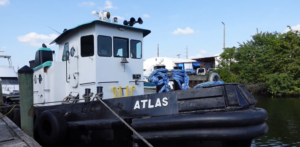
Why Tugboats Around the World Still Utilize Two-Stroke Detroit Diesel Engines
1. Detroit Diesel Two-Strokes Deliver Instant, Predictable Torque—Perfect for Towing
2. Mechanical Simplicity Makes Them Ideal for Harsh Working Environments
3. Tugboat Crews Know How to Maintain Them
4. Parts Availability Remains Strong Through the Aftermarket
5. Detroit Diesels Are Affordable to Rebuild—Extending Vessel Life
6. Throttle Response and Maneuverability Are Ideally Suited for Tug Work
7. Their Two-Stroke Design Handles Continuous Heavy Loads Exceptionally Well
8. Noise and Vibration Are Acceptable—Even Preferred—on Tugboats
9. In Remote Regions, They Are Often the Only Practical Engine
10. Repowering Isn’t Always the Right Business Decision
11. They Meet the Needs of the Tug Market Better Than Many Alternatives
12. Detroit Diesel Engines Have a Cultural Legacy in the Tugboat World
Conclusion: The Detroit Diesel Two-Stroke Will Continue Powering Tugboats for Years to Come
Read More
March 25, 2025
Understanding the Plastic Strip Test for Detroit Diesel Engines: A High-Level Guide for Owners, Operators, and Fleet Managers
1. What Is the Plastic Strip Test in the Context of Detroit Diesel Engines?
2. Why Bearing Clearance Is So Important on Detroit Diesel Two-Stroke Engines
If clearance is too tight:
If clearance is too loose:
3. When the Plastic Strip Test Should Be Used on Detroit Diesel Engines
4. How the Test Works (Simplified for Non-Mechanics)
5. Why This Test Is Especially Valuable for Detroit Diesel Engines
6. What the Test Reveals About Engine Health
7. Why Owners and Fleet Managers Should Care About This Test
8. A Simple Tool With Massive Value
Conclusion
Read More



 Free US Calls: 1-888-433-4735
 International: 305-545-5588