Blog
FEATURED POST
October 23, 2024
Why Choose Diesel Pro Power for Marine Diesel Engine Parts?
Faster - Easier - Better (We Keep Your Engines Running)
Extensive Selection & Easy To Use Platform
Fast, Worldwide Shipping:
Expert Support:
Durable, High-Quality Parts:
Final Thoughts
Read More
March 27, 2025
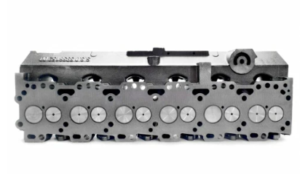
The Importance of Torquing Cylinder Head Bolts to OEM Specifications on the Cummins 6CTA 8.3L Marine Engine
Understanding the Role of Cylinder Head Bolts in the Cummins 6CTA 8.3L
Why OEM Torque Specifications Matter
Torque Too Low → Insufficient Clamping
Torque Too High → Excessive Stress and Distortion
Incorrect Tightening Sequence → Uneven Head Seating
Why Torquing Matters Even More in Marine Applications
Continuous Load Amplifies Thermal Expansion
Turbocharged Marine Engines Experience Higher Cylinder Pressure
Saltwater Adds Corrosion Risk
Marine Engine Failures Are More Dangerous
Bolt Stretch: The Hidden Factor Many Technicians Ignore
Using Aftermarket Torque Values or Guessing Is Dangerous
Other Factors That Affect Proper Torque
Lubrication of bolt threads
Surface cleanliness
Condition of bolt threads
Tool calibration
Bolt replacement when required
Head Gasket Performance Depends Entirely on Proper Torque
Conclusion: OEM Torque Procedures Protect Your Engine and Your Vessel
Read More
March 27, 2025
Why Head Boats Still Rely on Detroit Diesel Two-Stroke Engines to Take Anglers Fishing Every Day
Detroit Diesel two-stroke engines.
1. Head Boats Must Run Every Day—Reliability Is Non-Negotiable
2. Mechanical Simplicity Beats Electronics in a Head Boat Environment
3. Perfect Torque Curve for Moving Heavy Passenger Loads
4. Fast, Affordable Service Keeps Boats on Schedule
5. Parts Availability Is Unmatched
6. In-Frame Overhauls Save Thousands and Prevent Long Downtime
7. Predictable Operating Costs Keep Charter Pricing Stable
8. A Strong Cultural and Operational Familiarity
9. Detroit Diesels Align With the Head Boat Business Model
10. Modern Engines Offer Advantages—but Not for This Industry
Conclusion: Detroit Diesel Two-Strokes Are the Backbone of the Head Boat Industry
Read More
March 27, 2025
The Function of the Cylinder Block in the Detroit Diesel 12V71 — What Owner-Operators and Fleet Managers Need to Know
1. The Cylinder Block Is the Engine’s Main Structure
2. The Block Supports the Pistons and Liners
3. The Block Holds the Crankshaft in Place
4. The Block Controls Cooling and Keeps Temperatures Stable
5. The Block Carries Oil Through the Engine
6. The Block Helps the Engine “Breathe” Properly
7. A Solid Block Means a Longer-Lasting Engine
8. Why the Block Matters So Much in the Real World
Conclusion
Read More
March 27, 2025
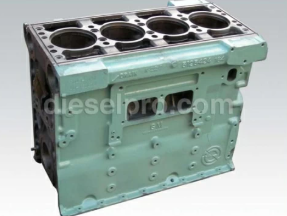
The Function of the Cylinder Block on the Detroit Diesel 4-53 Engine
A Structural Foundation for the Entire Engine
Houses and Supports the Cylinder Liners
Supports the Crankshaft and Main Bearings
Forms the Pathways for Cooling and Lubrication
Supports the Blower and Intake/Exhaust Systems
Acts as a Major Noise, Vibration, and Harshness (NVH) Dampening Component
Provides Structural Support for Engine Mounting
Maintains Alignment for Internal Timing and Gear Drives
Conclusion: The Cylinder Block Is the Heart of the Detroit Diesel 4-53
Read More
March 27, 2025
Why the Detroit Diesel 2-71 Is Still Used as a Generator Aboard Many Tourist Boats
A Design Built for Continuous Operation
Mechanical Simplicity in a Marine Environment
Easy Diagnosis and Repair Anywhere
Exceptional Longevity and Rebuildability
Perfect Power Output for Small to Mid-Size Vessels
Fuel Tolerance and Operational Flexibility
A Known Quantity for Inspectors and Regulators
Noise, Character, and Passenger Perception
Economics That Still Make Sense
A Proven Workhorse That Earned Its Place
Read More
March 27, 2025
Why Detroit Diesel 8V71 Engines Still Power Many of the World’s Marine Tourism Vessels
A Proven Design Built for Continuous Marine Duty
Mechanical Simplicity in a Harsh Marine Environment
Ease of Service and Global Parts Availability
Ideal Power Characteristics for Passenger Vessels
Exceptional Longevity and Rebuildability
Predictable Maintenance and Operating Costs
Tolerance for Variable Operating Conditions
Familiarity Among Mechanics and Inspectors
Passenger Experience and Operational Character
Economic Reality of Replacement vs. Retention
Conclusion: A Workhorse That Still Fits the Job
Read More



 Free US Calls: 1-888-433-4735
 International: 305-545-5588