


 Free US Calls: 1-888-433-4735
 International: 305-545-5588
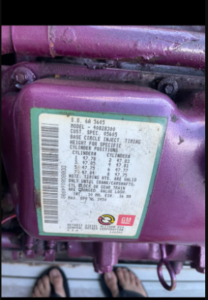
Welcome to the comprehensive guide for maintaining, repairing, and understanding Detroit Diesel 8.2L engines. This blog series is designed to replace the out-of-print service manual, providing an accessible, detailed, and user-friendly resource for mechanics and enthusiasts.
Table of Contents
1. General Information for Detroit Diesel 8.2L Engines
- Engine specifications and design principles
- Safety precautions during service
- Metric vs. customary fasteners and their importance
- Engine model, serial number, and labeling guidance
2. Engine Construction and Major Assemblies
Cylinder Block
- Structure and support features
- Cleaning, pressure testing, and inspection procedures
- Guidelines for cylinder block resurfacing and repair
Cylinder Head
- Design and maintenance
- Common issues and troubleshooting
- Installation and pre-installation inspections
Piston and Connecting Rods
- Piston design and assembly
- Installing and inspecting piston rings
- Rebuilding connecting rods
Crankshaft and Bearings
- Crankshaft construction and inspection
- Installing crankshaft main and connecting rod bearings
- Measuring wear and determining replacement needs
Camshaft and Timing Gear
- Camshaft design for naturally aspirated and turbocharged engines
- Timing gear alignment and camshaft bearing replacement
- Techniques for machining camshaft bearings
3. Fuel System and Governor
- Overview of fuel injection components
- Adjusting and maintaining the governor
- Troubleshooting fuel system issues
4. Air Intake and Exhaust Systems
Air Intake
- Turbocharged vs. naturally aspirated configurations
- Air cleaner maintenance and system troubleshooting
Exhaust
- Components and common exhaust system issues
- Heat shielding and safety recommendations
5. Lubrication and Cooling Systems
Lubrication
- Oil pump, filters, and lubrication paths
- Oil type and maintenance intervals
Cooling
- Radiator, water pump, and thermostat operation
- Troubleshooting overheating issues
6. Electrical Equipment and Protective Systems
- Battery, starter, and alternator system overviews
- Protective systems for engine health and operator safety
7. Maintenance Procedures
Preventative Maintenance
- Routine inspection schedules
- Key maintenance practices for longevity
Troubleshooting Common Problems
- Step-by-step solutions to frequent issues
8. Assembly and Disassembly
Engine Overhaul
- Removing the engine and mounting on an overhaul stand
- Detailed disassembly sequence
Reassembly and Testing
- Reinstallation steps and engine testing protocols
- Post-assembly tune-up checklist
9. Special Equipment and Tools
- Essential tools for servicing Detroit Diesel 8.2L engines
- Specialty tools for advanced maintenance
10. Additional Resources
- FAQs on Detroit Diesel 8.2L engines
- Related blog posts and videos
- Access to parts and support services
Why Buy Aftermarket Detroit Diesel 8.2L Parts from Diesel Pro Power
1. Realistic Support for a Legacy Engine
The Detroit Diesel 8.2L is a legacy engine with limited factory support. Diesel Pro Power focuses on supplying aftermarket parts that allow owners to continue servicing and operating these engines where OEM options are no longer available.
2. Aftermarket Parts for the Most Common Service Needs
While aftermarket coverage for the 8.2L is not as extensive as for other Detroit Diesel engines, Diesel Pro Power concentrates on parts that are most frequently required. These include gaskets, seals, cooling system components, and other wear items necessary for routine maintenance and minor repairs.
3. Vetted Aftermarket Quality
Not all aftermarket parts are equal. Diesel Pro Power works with established manufacturers and suppliers to offer aftermarket components that meet reasonable fitment and performance expectations for the Detroit Diesel 8.2L, helping reduce the risk of compatibility issues.
4. Clear Guidance on What’s Available
One of the challenges with the 8.2L is knowing which aftermarket parts are still being produced. Diesel Pro Power provides clear, upfront guidance on current availability so customers can plan repairs realistically and avoid wasted time or incorrect orders.
5. Practical Solutions for Keeping Engines Running
For owners committed to maintaining their 8.2L rather than repowering, aftermarket parts often represent the only viable option. Diesel Pro Power helps customers source workable solutions to extend service life where possible.
6. Trusted Aftermarket Supplier
With extensive experience supplying aftermarket diesel parts across multiple Detroit Diesel platforms, Diesel Pro Power remains a dependable resource for customers maintaining Detroit Diesel 8.2L engines with limited parts availability.
Limited Parts Supply For The Detroit Diesel 8.2L
-
The Detroit Diesel 8.2L engine has a notably limited parts supply compared to other Detroit Diesel platforms, and there are several structural and historical reasons for this. First, the 8.2L was designed during a transitional period for Detroit Diesel, when the company was attempting to move away from its traditional two-stroke architecture and compete in the light- and medium-duty diesel market. As a result, the engine did not benefit from the decades-long production runs or massive fleet adoption seen with the 53, 71, and 92-series engines.
Second, overall production volume for the 8.2L was relatively low. Fewer engines in service means less long-term demand for major internal components such as pistons, cylinder heads, crankshafts, and connecting rods. When demand drops below a certain threshold, manufacturers and aftermarket suppliers are unlikely to continue producing high-cost, precision-machined components, especially items like pistons and liners that require specialized tooling.
Another major factor is the engine’s mixed reputation in the field. The 8.2L earned a reputation for being sensitive to overheating and maintenance issues, which led many operators to repower rather than rebuild when major failures occurred. This further reduced rebuild demand and accelerated the decline in parts production.
Finally, as emissions regulations evolved and Detroit Diesel shifted focus to newer engine families, the 8.2L platform was effectively retired. Once OEM support ended, aftermarket suppliers were left to decide which parts were commercially viable. Today, only select aftermarket service components remain available, while major hard parts like pistons are scarce due to limited demand and high manufacturing costs.
Buying a Boat with a Detroit Diesel 8.2L
Buying a boat powered by a Detroit Diesel 8.2L requires a more cautious and informed approach than vessels equipped with more widely supported Detroit Diesel engines. While some 8.2L-powered boats continue to operate reliably, the limited availability of major engine components is an important factor to consider before purchase.
One of the biggest concerns is long-term serviceability. Parts coverage for the 8.2L—especially major internal components such as pistons, cylinder heads, and crankshaft-related parts—is far more limited than for the classic 53, 71, and 92-series engines. If a major internal failure occurs, repair options may be restricted, costly, or impractical, potentially forcing a repower rather than a rebuild.
This limited parts supply stems from the engine’s shorter production run and lower overall adoption in the marine market. Many boat owners historically chose to repower 8.2L-equipped vessels instead of investing in major overhauls, which further reduced demand for rebuild components. As a result, only select aftermarket service parts remain available today, primarily supporting routine maintenance rather than full engine restoration.
When evaluating a boat with an 8.2L, buyers should place extra emphasis on engine condition, maintenance records, cooling system health, and operating history. Compression tests, oil analysis, and temperature data become especially important. A well-maintained, currently running 8.2L may provide dependable service in the short to medium term, but buyers should factor potential repower costs into the purchase price.
Ultimately, purchasing a boat with a Detroit Diesel 8.2L is less about rebuild potential and more about current condition, remaining service life, and realistic expectations for long-term ownership.